By Emily Dawson, Food Blogger, Recipe Developer, Photographer
20+ recipes developed and tested in her home kitchen before publishing on British Kitchen Hub.
Reviewed against our editorial standards.
Traditional Tzatziki Sauce Recipe
Traditional Tzatziki Sauce Recipe is not the supermarket's proprietary version, which is overly diluted with water and contains too much dill (which they prefer in Scandinavia), lemon juice, or vinegar, resulting in a creamy sludge that does not reflect the authentic two-pack style dipping experience of Athens. Tzatziki is a staple of Greek cooking: a cooling yogurt-cucumber condiment served as a meze dip with warm pita bread, on the side when you are eating gyros and souvlaki, or over grilled meats alongside roasted veggies & lamb. Traditionally made with strained sheep or goat's milk yogurt, the version below uses full-fat Greek yogurt. You don't have a choice because it is so thick and creamy (and already very well drained) plus grates of totally wrung-dry cucumber, raw minced garlic, extra virgin olive oil for richness, and some red wine vinegar, just like in Greece, to keep tonight's discordant string-pulling right. You can also add fresh dill or fresh mint on the mainland of Greece; the classic version uses more dill, while versions from Crete and the islands often have a more pronounced mint flavor. The non-negotiable in any genuine recipe is wringing out every ounce of water from the grated cucumber; this can mean the difference between a scoopable and a watery tzatziki.

Prep
15 mins
Cook
0 mins
Servings
Serves 6 to 8
Difficulty
Easy
Traditional Tzatziki Sauce Recipe
Tzatziki is one of those deceptively simple-seeming recipes-yogurt, cucumber, garlic, and a few herbs, but one that has several details and tricks to take it from the thin, almost flavorless dip most have had experience with at chain restaurants into something truly magical. This classic tzatziki sauce recipe takes care of all of them.
The word "tzatziki" comes from the Turkish "cacık," which goes back to a Persian root, reflecting how widely spread that dish was throughout the Eastern Mediterranean since ancient times. In Greece today it seems to be present on nearly every table in the meze spread, wrapped into gyros, and served with souvlaki. It is part dip, part sauce, partly condiment, and partly side dish—one of the most flexible preparations in a Mediterranean kitchen.
Authentic Greek tzatziki has three unique features that distinguish it from perhaps more familiar imitations. It is thick—almost a soft, spreadable consistency, not flowing sauce. This comes from using real strained yogurt (Greek) and, most importantly, removing every drop of water that you can extract from the cucumber before it ever touches any of the yogurt. Second, it's gritty - actually quite hardcore garlicky in the way so many Western adaptations throttle it back until it is meaningless. In traditional Greek recipes, 2-4 cloves of raw garlic are used per cup of yogurt. Third, red wine vinegar is used for the acid component - no lemon juice: it provides a clean tang that, as far as I can tell from some extensive mass taste-testing (wink), seems Greek and stays bright even after refrigeration, unlike lemon juice, which tends to blur.
I use fresh dill more than any herb throughout Greece; however, in certain areas it is common to garnish with fresh mint, an equally delicious substitute. Some recipes use both.
Variations
- Classic Tzatziki with Mint: Use the same amount of finely chopped fresh mint leaves in place of dill. This is the older one in certain regions of Crete and some Greek islands, which makes for a cooler, refreshing flavor. Mint and dill may also be blended - use the most aromatic option, which comprises 1 tablespoon of each.
- Vegan tzatziki: Full-fat Greek yoghurt can be replaced with thick, unsweetened plant-based / non-dairy-based yoghurt - it is best to choose full-fat coconut or oat-based yoghurts (coconut gives richness and oat-base is a neutral flavor). For proper texture, run the plant-based yoghurt through a cheesecloth for 1 hour prior to using. Simply keep everything else the same.
- Spicy Tzatziki: Add 1 pinch cayenne pepper and ½ tsp. ground cumin to the basic recipe. Some Middle Eastern and Silk Road-influenced versions of the sauce use these warm spices, adding a richness not typically associated with tomatoey sauces but which works surprisingly well when combining lamb or beef.
How to Make Traditional Tzatziki Sauce Recipe (Step-by-Step)
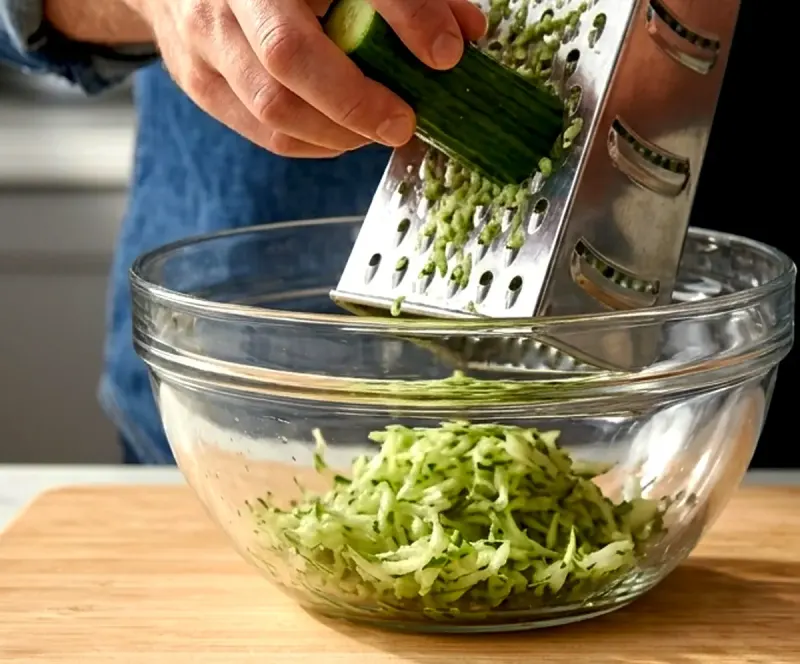
Grate, salt, and squeeze the cucumber dry
The crucial element in any tzatziki sauce for a Greek gyro recipe. Cucumber is mostly water, and this water will drain into your yogurt within minutes of mixing if it isn't removed beforehand. Salting sucks out the moisture through osmosis, squeezing pinches it. Do not rush either step. Wait for a total of 10 mins; squeeze in the towel with some genuine force for a minimum of half a minute. When you have finished with the grated cucumber, it should be clearly dry and condensed. It is this step that makes the difference between thick, genuine tzatziki and thin wateriness found in takeaway pots.
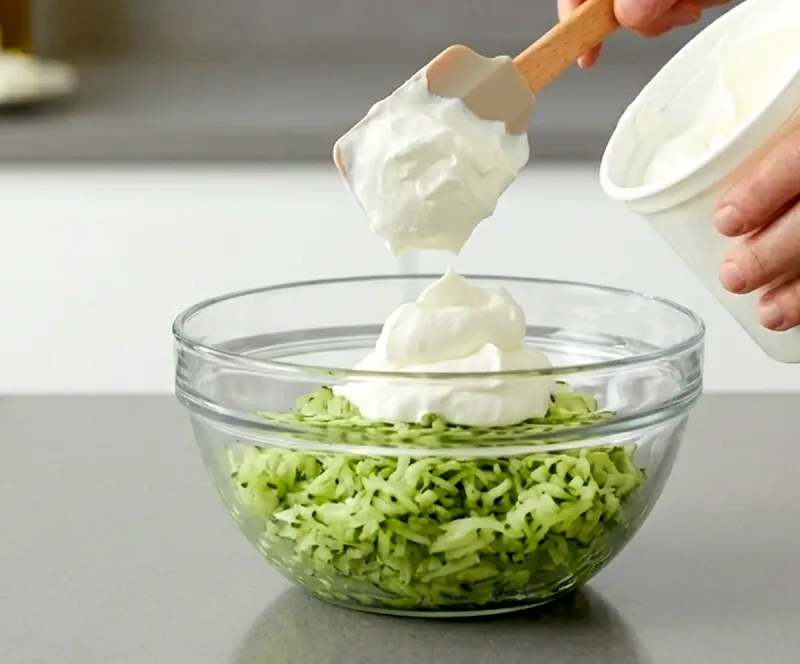
Use full-fat Greek yogurt - no substitutes
Yogurt is the lifeblood of tzatziki. The traditional Greek version is made with strained sheep or goat's milk yogurt; at home, the standard is full-fat Greek-style (already thick and creamy) impeccably sweet-tinged and tangy from its natural overnight grueling process. Skimp on the fat-free or low-fat Greek yogurt: it's what adds that signature creaminess but also is where all of our garlic flavor lives. Do not use regular plain yogurt; it has to be strained first (it's too watery). If you want to take it a step further, strain full-fat Greek yogurt through the cheesecloth in your fridge for 2 to 4 hours—this will give an unbelievable texture.
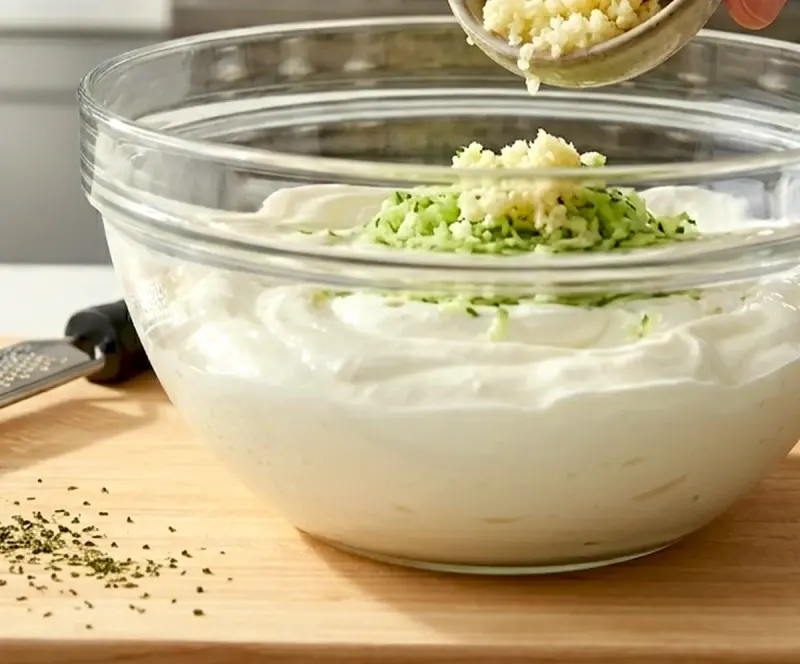
Do not be timid with the garlic
Classic tzatziki is unapologetically, strongly garlicky, with genuine Greek recipes requiring between 3 and 4 large raw cloves for every 500g of yoghurt, enough to leave the sauce pleasantly scorching your palate. This means that in many Western adaptations garlic is little more than a sprinkling, which renders the final product tasting bland. Make sure to use raw garlic (roasted is too sweet and mellow for the authentic profile) minced as finely as possible or even grated on a microplane so it distributes evenly throughout the sauce. Garlic can be sharp when mixed, and left to rest in the fridge for an hour will mellow it slightly so the combination of ingredients is balanced.
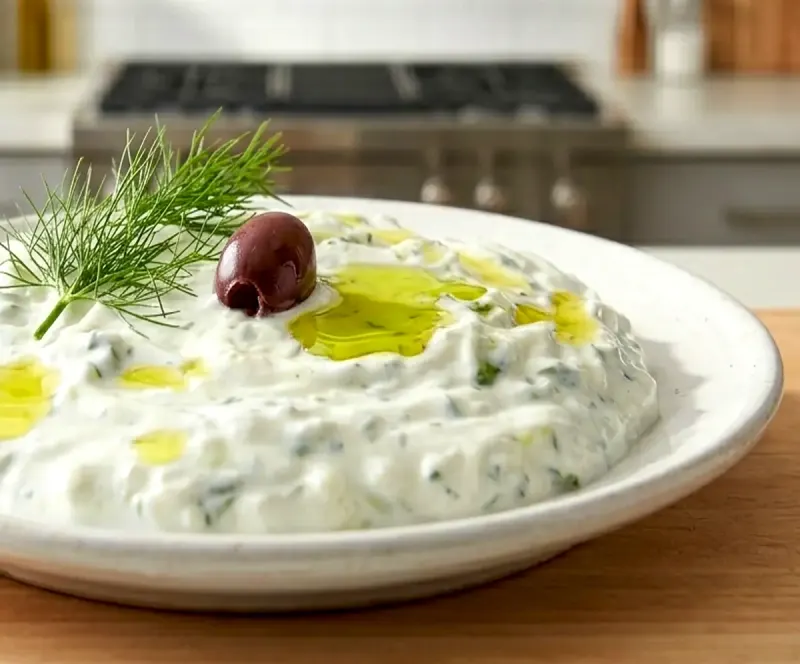
Rest, then serve chilled with olive oil
Tzatziki is not something that you make and serve straight away. The minimum is to rest for 30 minutes; two hours is better, and overnight works best. Letting it rest gives the garlic time to permeate all that yogurt, some of the salt a chance to extract more moisture out of that cucumber, and the red wine vinegar's sharpness a chance to subdue. Serve tzatziki at a cool temperature, right out of the fridge. Drizzle extra virgin olive oil all over the surface just prior to serving; it adds richness and fruity fragrance while also making for a beautifully presented Greek meze dish.

★★★★★ 5.0 from 2 votes
Traditional Tzatziki Sauce Recipe
Save this recipe, share it with friends, or browse more Dinner ideas below.


Equipment
- Box grater (coarse holes)
- Clean kitchen towel, cheesecloth, or several layers of paper towel (for squeezing cucumber)
- Large mixing bowl
- Small bowl or jug
- Fine mesh sieve or colander
- Garlic press or sharp knife and cutting board
- Rubber spatula or spoon
- Measuring spoons
- Cling film or airtight container for storage
Save this recipe!
Get this sent to your inbox, plus get new recipes from us every week.
Ingredients
Instructions
- Prepare the cucumber: Wash the cucumber thoroughly. If you are using an English cucumber, peel off all the skin and halve it lengthways. Wielding a teaspoon, scrape out these watery seeds from the hollow centre - if there’s one key step to this dish that really reduces water content, it is this one. Peeling is optional for Persian cucumbers, and their seeds are small enough to leave in - grate the cucumber on the large holes of a box grater directly into a colander set over a bowl.
- Salt and drain the cucumber: spread 1/2 teaspoon fine sea salt on a surface with broader sides and toss in the grated cucumber. Let it sit over the colander for 10 minutes — courtesy of Vintage Kitchen. After 10 minutes, place the salted cucumber on a clean kitchen towel or within a double layer of cheesecloth. Hold the edges, twist and pull like mad, and wring over a sink for an absolute 30 to sixty seconds. With this step you will remove a surprisingly large quantity of liquid — and it's the key to thick tzatziki. The cucumber is practically dry to the touch.
- Prepare the garlic: peel and then mince very finely or microplane a few cloves of garlic for an easier-to-distribute paste through your sauce. The best flavor is achieved if the garlic is used raw. If raw garlic is too strong for you, then mash the minced garlic with a sprinkle of salt using the flat side of your knife to form a paste - this softens its bite yet preserves much flavor.
- Prepare the sauce: in a large bowl, mix together full-fat Greek yoghurt, squeezed cucumber, minced garlic, 3 tablespoons extra virgin olive oil, 1 tablespoon red wine vinegar and chopped fresh dill. Carefully combine all the ingredients. Taste and adjust again: add the other tablespoon of vinegar if you prefer it tangier, a dash more salt as needed, and black pepper to taste.
- Chill before serving: tightly cover the bowl with cling film and leave it in the fridge to chill for a minimum of 30 minutes before you serve it, but ideally, it should be between 1 and 2 hours or, if possible, overnight. That resting time gives the yoghurt a chance to mellow out some of that garlic; it allows cucumber to continue seasoning the sauce (salt will draw moisture from cucumbers), and it's such an easy way for all those flavors to come together. Tzatziki is always better if it has some time to rest.
- To serve cold: spoon the tzatziki into a wide, shallow bowl. Using the back of a spoon, make a shallow hollow in the centre. Drizzle with extra virgin olive oil; top it with a few sprigs of fresh dill on top, and some dried oregano sprinkled over the hollows would be nice too (and probably a few thin cucumber slices around on the edges if you want to take care of your presentation). Serve right away with warm pita bread, crudités, or as a sauce for grilled meats.
Frequently Asked Questions
What is traditional tzatziki sauce made of?
Traditional tzatziki sauce is made from five core ingredients: thick strained yogurt (traditionally sheep or goat's milk; Greek yogurt in modern recipes), grated and thoroughly squeezed cucumber, raw minced garlic, extra virgin olive oil, and red wine vinegar. Fresh dill or fresh mint is added in most versions. Salt and pepper finish the seasoning. The authentic Greek recipe does not include lemon juice (red wine vinegar is the traditional acid), and dill is the primary herb, not a secondary one.
Why is my tzatziki watery?
Watery tzatziki is almost always caused by insufficiently drained cucumber. Cucumber contains up to 96% water by weight, and even a small amount of residual moisture will thin out the yogurt within 15 to 20 minutes of mixing. The fix is to salt the grated cucumber for a full 10 minutes, then squeeze it aggressively in a clean kitchen towel or cheesecloth until it feels almost dry. A second cause is using low-fat or regular (unstrained) yogurt instead of full-fat Greek yogurt - the lower fat content means less body and more liquid separation.
What is the difference between tzatziki and Greek yogurt dip?
A plain Greek yogurt dip is simply seasoned yogurt - perhaps with a pinch of salt or herbs - while traditional tzatziki is a specifically composed sauce with multiple distinct components: grated drained cucumber, raw garlic, olive oil, and an acid (red wine vinegar or lemon juice). Tzatziki has a defined flavor profile - tangy, garlicky, herby, and cooling - whereas a Greek yogurt dip is a simpler, more neutral base. Tzatziki is also always chilled and is expected to be thick enough to hold its shape when scooped.
Can I make tzatziki the day before?
Yes, and it is strongly recommended. Tzatziki made the night before and refrigerated overnight is noticeably better than freshly made tzatziki. The garlic mellows and permeates the yogurt, the flavors harmonise, and the texture firms up further. Store in an airtight container in the refrigerator and give it a gentle stir before serving. It will keep for 3 to 4 days in the fridge. If a small amount of liquid has separated on the surface after storage, simply stir it back in.
What do you eat tzatziki sauce with?
Traditional tzatziki is most commonly served as a meze dip with warm pita bread, as a sauce inside gyros or souvlaki wraps, and alongside grilled meats - particularly lamb souvlaki, chicken skewers, and beef kofta.
What yogurt is best for traditional tzatziki sauce?
The most authentic choice is sheep's milk yogurt, which is thicker, richer, and tangier than cow's milk yogurt - it is what Greek families have traditionally used and what gives the sauce its characteristic depth.
How long does homemade tzatziki last in the fridge?
Properly made tzatziki - where the cucumber has been thoroughly drained, lasts 3 to 4 days in the refrigerator stored in an airtight container.
Notes
Red wine vinegar, not lemon juice and why it matters
Most Western tzatziki recipes call for lemon juice as the acid component. In authentic Greek recipes from mainland Greece, red wine vinegar is the traditional choice. The difference is subtle but real: red wine vinegar provides a clean, sharp tang that does not fade during the overnight rest in the refrigerator, while lemon juice can develop a faint bitterness after 12 to 24 hours and its bright citrus top note dissipates quickly.
Nutrition
Calories: 78 kcal | Carbohydrates: 4 g | Protein: 4 g | Fat: 5 g | Sugar: 3 g | Fibre: 0.3 g | Sodium: 148 mg
Nutrition information is automatically calculated and should only be used as an approximation.
Like this? Leave a comment below!
Free Recipe Book
Download my Healthy Food Recipe Book, a collection of nourishing, from-scratch recipes for everyday cooking. Practical meals and snacks you can make at home.
Get the recipe book