By Emily Dawson, Food Blogger, Recipe Developer, Photographer
20+ recipes developed and tested in her home kitchen before publishing on British Kitchen Hub.
Reviewed against our editorial standards.
Pol Cake Recipe (Sri Lankan Coconut Cake)
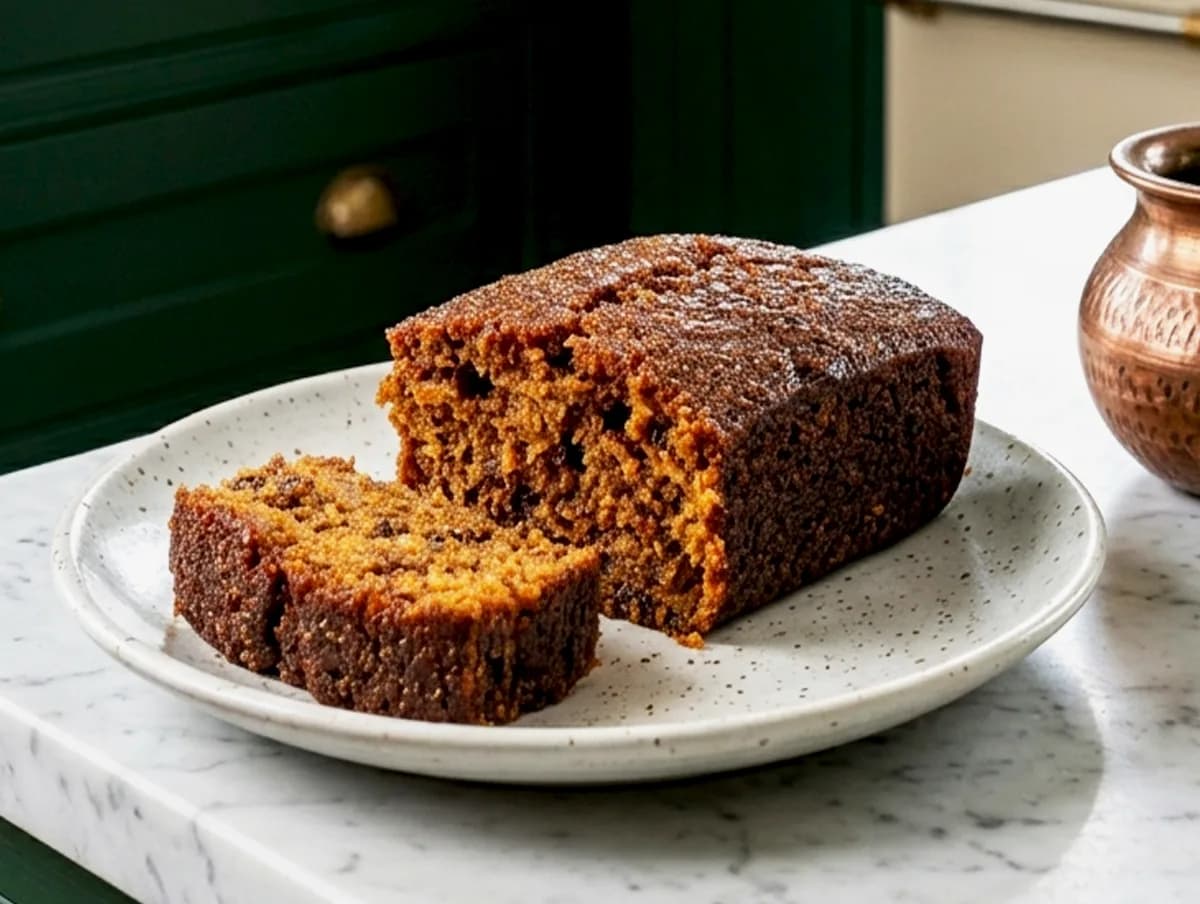
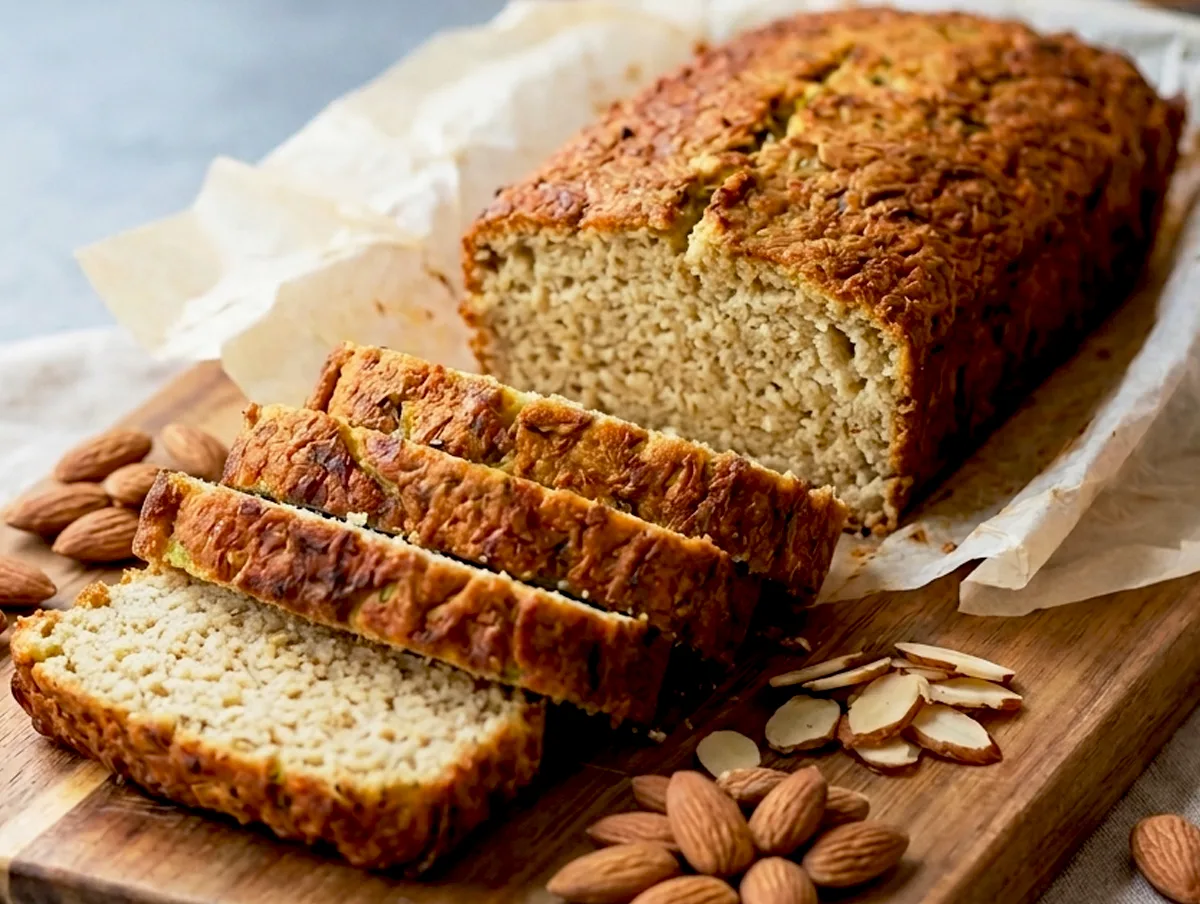
Pol Cake Recipe (Sri Lankan Coconut Cake) Pol cake is the coconut one, which Sri Lankan families make for Sinhala and Tamil New Year, slicing from it throughout the week. Pol is coconut in Sinhala, while the cake itself is based on pani pol, freshly grated coconut cooked down with Kithul treacle until thick and glossy. Next, semolina (a touch of flour), dates, and cashews are added to the mix and baked on low heat until well-browned / sticky-topped. No creaming: no mixer or icing. Kithul treacle is not readily available in the UK, so this makes a version using either coconut treacle or a golden syrup mixture for specific notes on alterations. The mixture keeps in a tin for one week, and the flavor improves over time.
Prep
30 mins
Cook
1 hr 10 mins
Servings
16 squares
Difficulty
Medium
Pol Cake Recipe (Sri Lankan Coconut Cake)
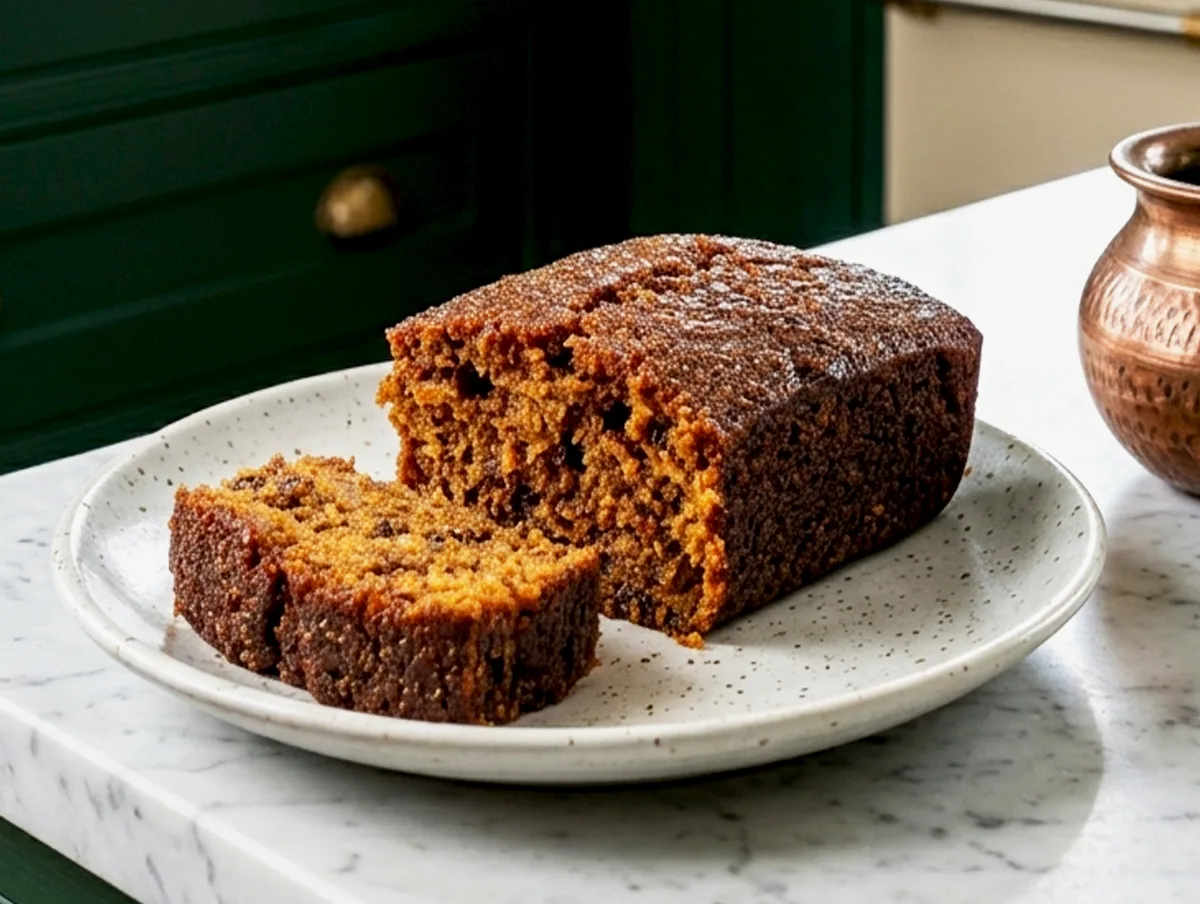
My first slice of pol cake came from a colleague's mother in Colombo, wrapped in greaseproof paper and still slightly warm. It was dense, dark, and sticky, closer to a rich fruit slice than a sponge, and I asked for the recipe before I had finished chewing.
Pol is the Sinhala word for coconut, and this cake takes it seriously. The base is pani pol: fresh grated coconut cooked down in treacle until the mixture thickens and smells of caramel and cardamom. In Sri Lanka the treacle comes from the kithul palm, tapped from the flower and boiled down to a dark syrup. Families make pol cake and its close cousin bibikkan for Sinhala and Tamil New Year in April, and a tin of it sits on the table for visitors right through the holiday.
No mixer needed
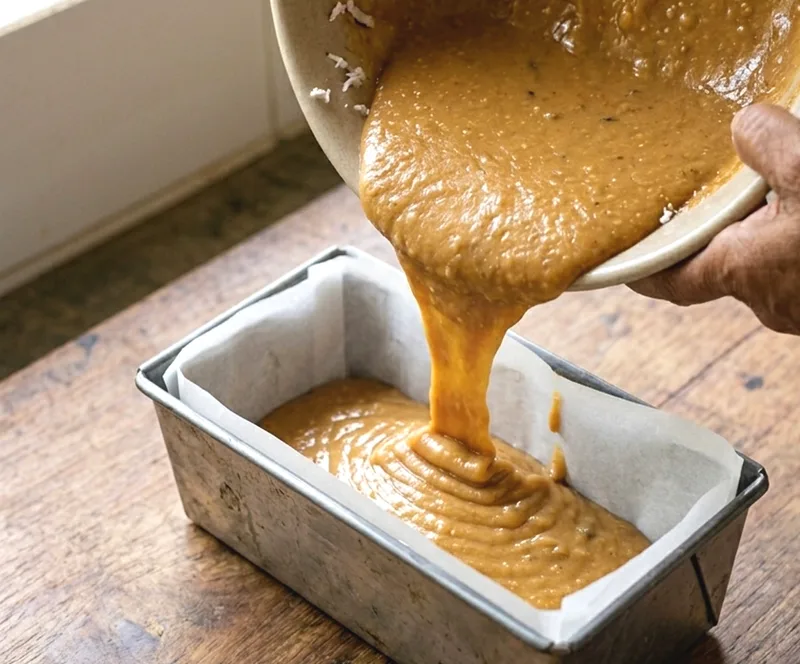
This is a stir-together cake. You cook the coconut and treacle in a pan, let it cool a little, then fold in roasted semolina, flour, chopped dates, cashews, and beaten eggs. The batter is thick and heavy. That is correct. A loose, pourable batter means the coconut mixture was not cooked down enough.
Finding the treacle in the UK
Kithul treacle is the authentic choice and worth buying if you find it in a Sri Lankan grocer or online. Coconut treacle is the standard substitute and most Sri Lankan cooks abroad use it. If neither turns up, mix golden syrup with a spoonful of black treacle for colour and a gentle bitterness. Plain golden syrup alone is too pale and one-note.
Emily's tip
Roast the semolina in a dry pan until it smells nutty and turns a shade darker before it goes in. Raw semolina makes the crumb pasty. Roasted semolina keeps the texture short and slightly coarse, which is exactly how the cake should eat.
Variations
Add 50 g raisins or chopped crystallised ginger with the dates if you like the bibikkan style.
A teaspoon of lime zest folded in at the end lifts the sweetness. Sri Lankan bakers often use it.
For a deeper spice profile, add 2 crushed cloves with the cardamom and fennel.
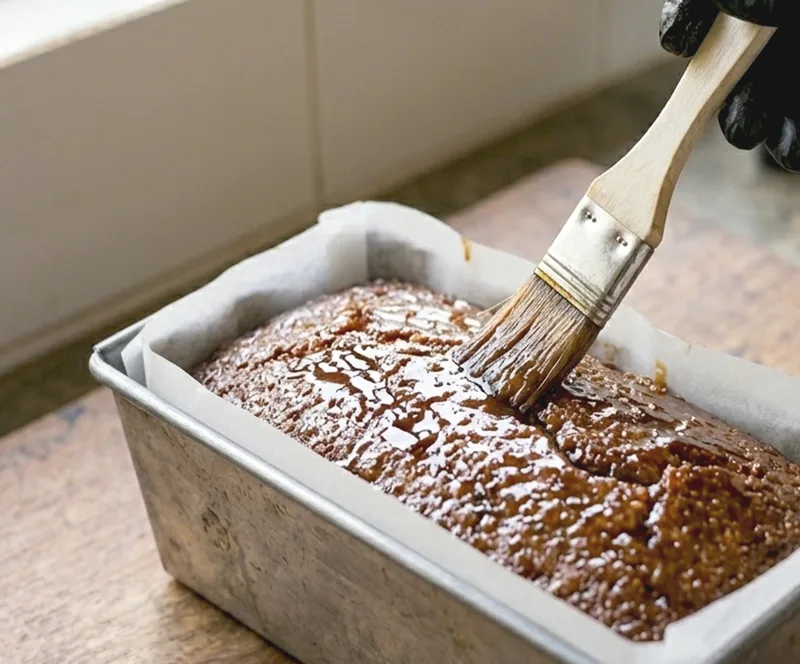
Brush the top with 2 extra tablespoons of treacle in the last 10 minutes of baking for the classic shiny, sticky finish.
How to Make Pol Cake Recipe (Sri Lankan Coconut Cake) (Step-by-Step)
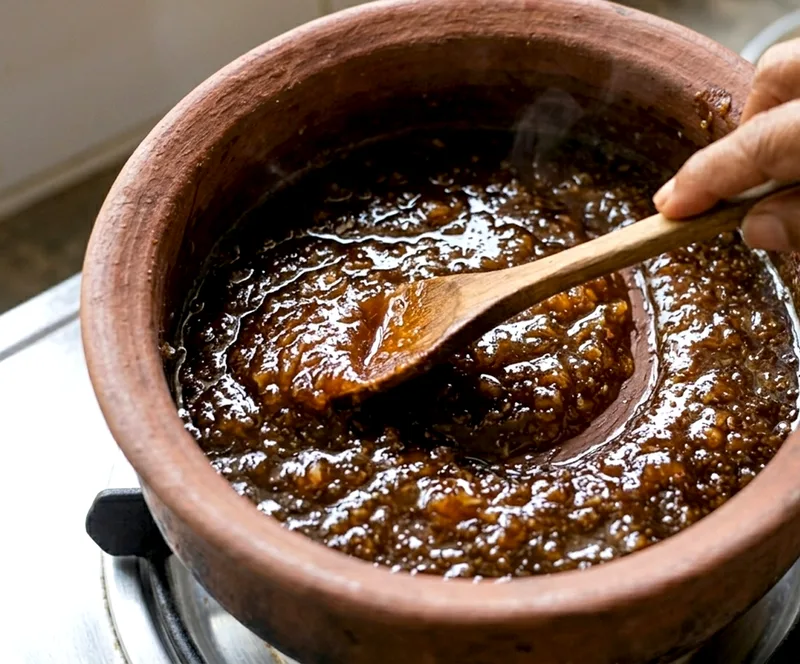
Cook the pani pol properly
The coconut and treacle stage decides the whole cake. Simmer until the mixture visibly thickens and turns glossy, stirring so the treacle does not catch on the base. Undercook it and the batter turns loose, the squares fall apart, and the flavour stays thin. The spoon-trail test is reliable: drag your spoon across the pan and the gap should hold for a second before closing.
Roast the semolina first
Three minutes in a dry pan changes the texture completely. Roasted semolina stays distinct in the crumb and gives pol cake its slightly coarse, short bite. Raw semolina absorbs moisture unevenly and turns the middle pasty. Keep the grains moving in the pan and pull them off the heat as soon as the colour shifts.
Cool before the eggs go in
Fifteen minutes of patience saves the batch. The pani pol comes off the hob well above 80°C, hot enough to cook beaten egg on contact. Stir the mixture a few times to release heat, test with a clean finger against the outside of the pan, and only then mix the eggs through. They bind the cake and add lift without any raising drama.
Bake low, finish with treacle
150°C looks slow for a cake and that is the point. Pol cake is dense and sugar-heavy, and a hotter oven burns the outside before the centre sets. The treacle brushed on near the end bakes into the dark, sticky, shiny top that marks a proper pol cake. Watch the last 10 minutes; treacle goes from glossy to burnt quickly.
Pol Cake Recipe (Sri Lankan Coconut Cake)
Save this recipe, share it with friends, or browse more Cakes ideas below.

Equipment
- 20 cm square cake tin (or 8 x 12 inch tin for thinner squares)
- Baking parchment
- Large deep frying pan or wide saucepan
- Wooden spoon or silicone spatula
- Small dry pan for roasting semolina and spices
- Pestle and mortar or spice grinder
- Mixing bowl and whisk
- Wire cooling rack
Save this recipe!
Get this sent to your inbox, plus get new recipes from us every week.
Ingredients
Instructions
- Heat the oven to 150°C (130°C fan / 300°F / Gas 2). Grease a 20 cm square tin and line the base and sides with baking parchment. Pol cake is sticky, so do not skip the lining.
- Toast the fennel seeds in a small dry pan over medium heat for 1 to 2 minutes until fragrant, then crush with the cardamom seeds to a coarse powder. In the same pan, dry-roast the semolina for 3 to 4 minutes, stirring constantly, until it smells nutty and darkens slightly. Tip onto a plate to stop the cooking.
- Pour the treacle into a large deep pan and bring to a gentle simmer over medium heat. Add the grated coconut, crushed cardamom and fennel, and cinnamon. Cook for 8 to 12 minutes, stirring often, until the mixture thickens enough that a spoon dragged across the pan leaves a brief trail. This is the pani pol.
- Take the pan off the heat. Stir in the butter, salt, and vanilla until the butter melts. Leave to cool for 15 minutes; if the mixture is too hot the eggs will scramble.
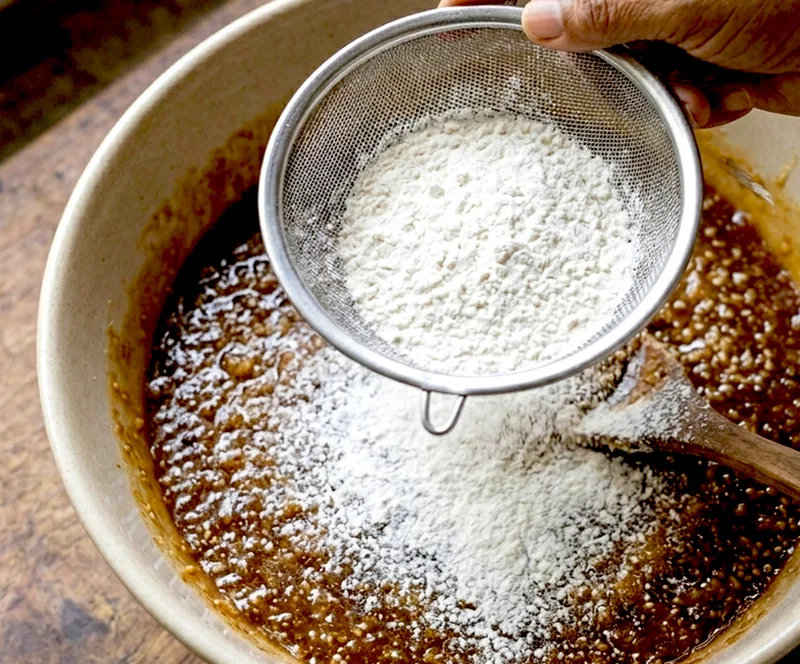
- Stir the chopped dates and cashews into the coconut mixture. Add the roasted semolina a third at a time, mixing well after each addition. Whisk the flour and baking powder together, then fold in.
- Add the beaten eggs and mix until the batter is thick, glossy, and uniform. It should drop heavily from the spoon rather than pour. If it feels stiff and dry, loosen it with 1 to 2 tablespoons of hot water.
- Scrape the batter into the lined tin, level the top, and press the cashew halves gently into the surface. Bake for 55 to 60 minutes.
- Brush the top with the reserved 2 tablespoons of treacle and bake for a further 10 minutes. The cake is done when the top is deep brown and a skewer comes out with moist crumbs but no wet batter. Cool completely in the tin, then lift out and cut into 16 squares. It slices cleanest the next day.
Frequently Asked Questions
What is pol cake?
Pol cake is a Sri Lankan coconut cake. Pol means coconut in Sinhala. Grated coconut is simmered in kithul or coconut treacle to make pani pol, then mixed with roasted semolina, flour, dates, cashews, and spices and baked at a low temperature. It is dense, sticky, and dark, traditionally served during Sinhala and Tamil New Year in April and at family celebrations.
What is the difference between pol cake and bibikkan?
They are close relatives and many families use the names loosely. Both start with coconut cooked in treacle. Bibikkan usually carries more dried fruit, crystallised ginger, and preserves, and some traditional versions skip eggs entirely. Pol cake tends to be a simpler bake with coconut, treacle, semolina, dates, and cashews at the centre.
Where can I buy kithul treacle in the UK?
Sri Lankan and South Asian grocers stock it in larger cities, and several online shops ship it within the UK. If you cannot find it, coconut treacle is the substitute most Sri Lankan cooks use abroad. A mix of golden syrup with a spoonful of black treacle gets you close in colour and depth, though the flavour is milder.
Can I use desiccated coconut instead of fresh grated coconut?
Yes, with one adjustment. Rehydrate 250 g of desiccated coconut in about 150 ml of warm water or coconut milk for 15 minutes before it goes into the treacle. Dry desiccated coconut added straight to the pan soaks up the treacle and leaves the cake dry and crumbly.
How long does pol cake keep?
Up to a week in an airtight tin at room temperature, and the flavour improves over the first two days as the treacle settles into the crumb. For longer storage, wrap squares tightly and freeze for up to 3 months. Thaw at room temperature for a few hours before serving.
Notes
Treacle matters most
Kithul treacle first, coconut treacle second, golden syrup with black treacle third. Do not use plain black treacle on its own; it overwhelms the coconut.
Frozen grated coconut
Sold in most Asian supermarkets and the easiest route to fresh flavour in the UK. Thaw fully and squeeze out excess water before adding to the pan.
Serving
Cut small squares and serve with plain black tea, the way it is done in Sri Lanka. The cake is rich, so modest portions work best.
Nutrition
Calories: 265 kcal | Carbohydrates: 34g | Protein: 4g | Fat: 13g | Saturated Fat: 9g | Fiber: 3g | Sugar: 24g | Sodium: 85mg
Nutrition information is automatically calculated and should only be used as an approximation.
Like this? Leave a comment below!
Free Recipe Book
Download my Healthy Food Recipe Book, a collection of nourishing, from-scratch recipes for everyday cooking. Practical meals and snacks you can make at home.
Get the recipe book