By Emily Dawson, Food Blogger, Recipe Developer, Photographer
20+ recipes developed and tested in her home kitchen before publishing on British Kitchen Hub.
Reviewed against our editorial standards.
Original Green Goddess Dressing Recipe with mayo
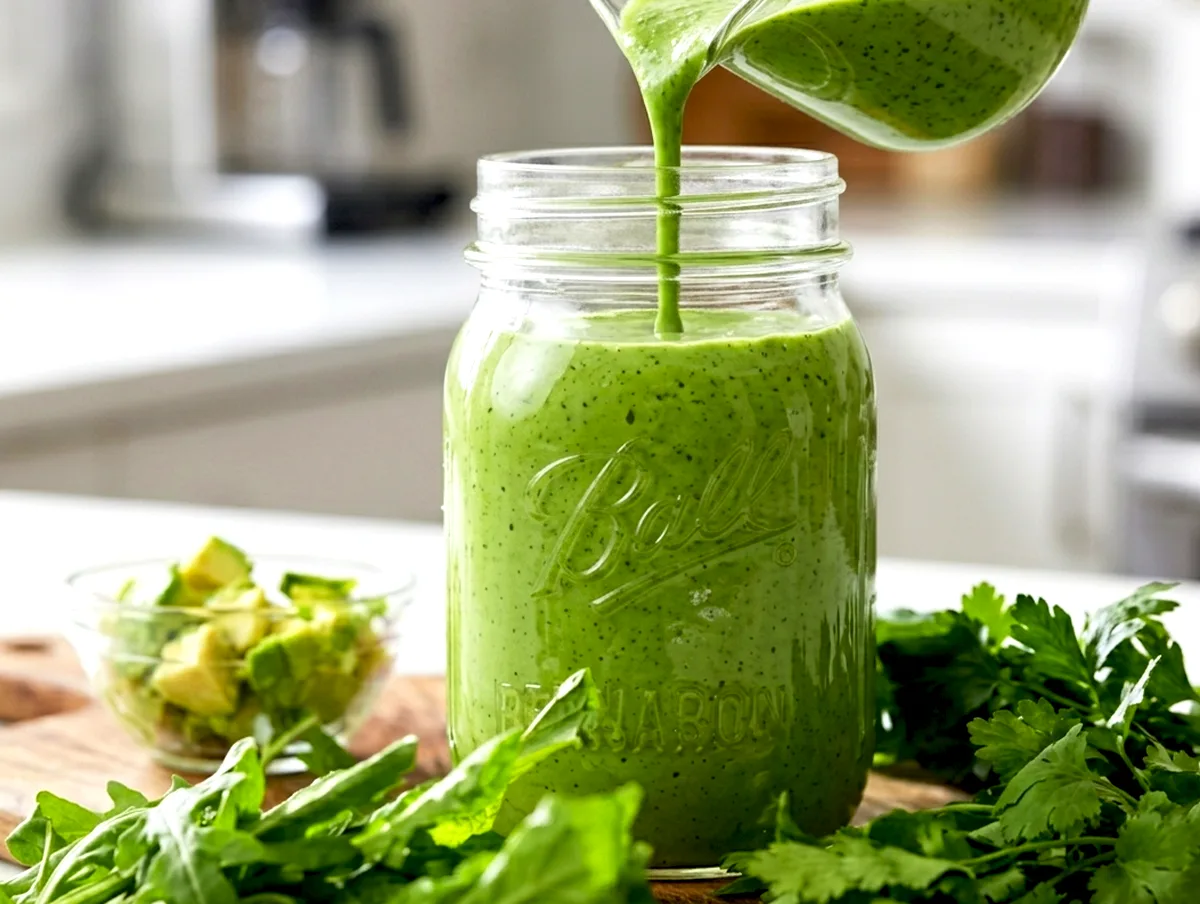
Original Green Goddess Dressing Recipe with mayo The green goddess dressing recipe I posted is the original Palace Hotel version from 1923 and not the TikTok avocado copycat that borrowed its name in 2022. Created by chef Philip Roemer to honour actor George Arliss, who was appearing in a production – The Green Goddess – at an adjacent theatre and staying overnight. The dressing lived on tables in hotels and restaurants throughout San Francisco for decades before becoming national, first as a bottled product and later as an actual recipe of its own, beginning in the 1970s. It is a thick, clinging-on salad and vegetable dressing based on mayonnaise with sour cream. Those herbs? TARRAGON, CHIVES & PARSLEY. Tarragon is the sticky wicket you can't drop – it's what gives green goddess that distinct clean, faintly anise-like flavor and keeps it from tasting like some cheap blended herb dressing. The second thing most people leave out and shouldn't is the anchovy paste. At the usage here (2 teaspoons in 240 ml of dressing), it doesn’t taste fishy. It imparts the background saltiness and depth that would otherwise be lacking, effectively performing the same role anchovy does in a good Caesar. It takes 10 minutes, lasts in the fridge for up to four days and is at least noticeably better on day number two after making it.
Prep
10 mins
Cook
0 mins
Servings
Makes 300ml (serves 6 to 8)
Difficulty
Easy
Original Green Goddess Dressing Recipe
Green goddess dressing was created in San Francisco at the Palace Hotel back in 1923. Chef Philip Roemer created it to honour actor George Arliss, who was staying at the hotel and performing in a play called 'The Green Goddess' across the street. The dressing was a staple on hotel menus for decades. Debuting nationally in the 1970s, then fading away for a few decades before returning and finally ending up as one of the most Googled salad dressing recipes by 2022. This was not what most of it went viral for.
Its social media iteration of that year was made with avocado, tahini and basil. A different dressing — useful for some things — and not the original. If this is what you're searching for, then you already know that isn't it. If you want the mayonnaise-and-tarragon version that languished on restaurant menus for half a century before its rightful place was reclaimed by internet-savvy ingredient geeks, keep reading.
Tarragon, with its very distinctive anise-flavored leaves, is the non-negotiable herb for this recipe. Then come chives and parsley, but tarragon is the herb that gives Green Goddess its true flavor. It has an almost clean, slightly anise-like quality with no true substitute. Shed it in favor of more parsley or basil, and you have something green but not yet edible. It won't be green goddess.
Few people use half the anchovy paste or no anchovies at all. Don't. Four squeezes of anchovy paste? In 300ml of dressing, two teaspoons is the amount, with no fish flavor. It gives depth in the background – similar to what throwing an anchovy into a Caesar dressing does when it's well-made. None of the people who were eating this think that is anchovy. They can tell that the dressing tastes like something instead of nothing.
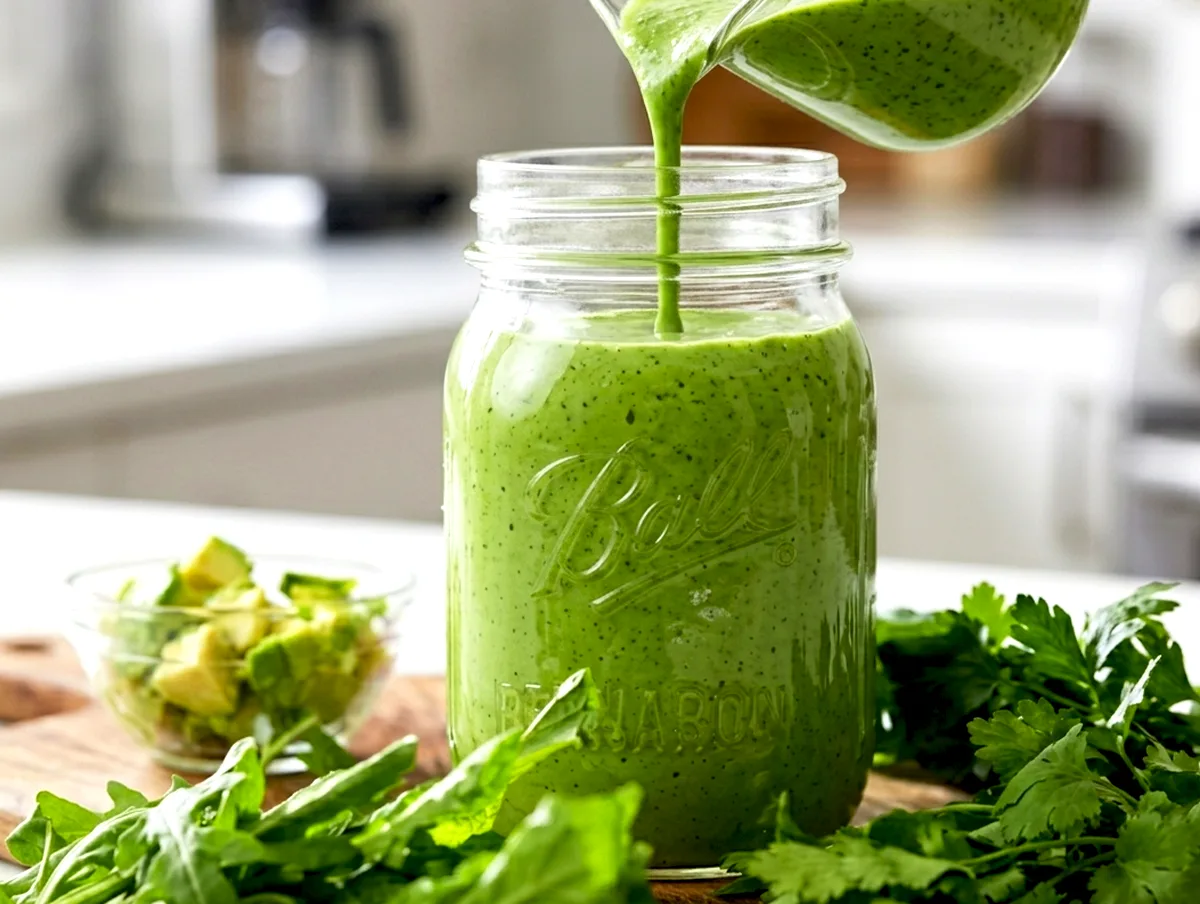
It all takes 10 minutes for a blender. Try to make it the night before, if you can, as all of those colors deepen overnight and really work their way into your dressing after an hour in the fridge. It keeps for 4 days sealed.
How to Make Original Green Goddess Dressing Recipe with mayo (Step-by-Step)
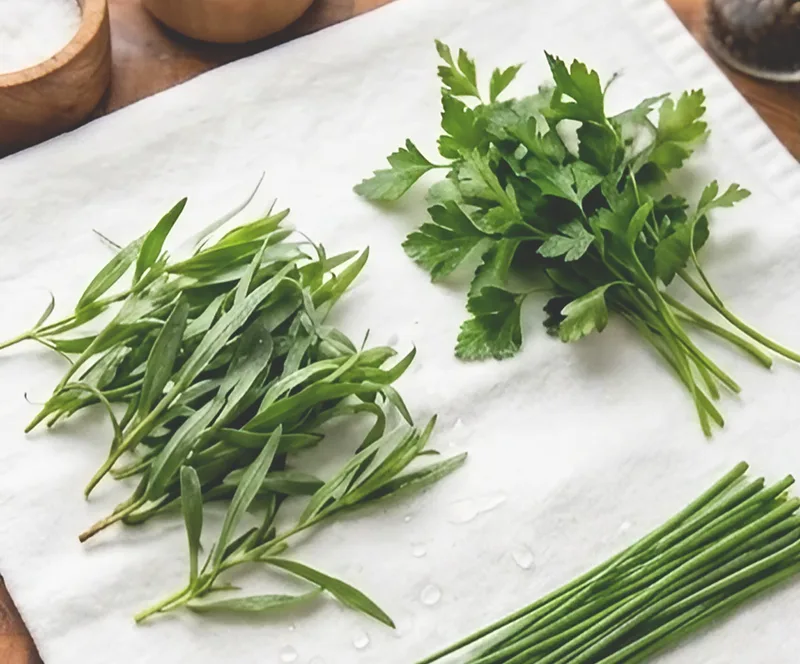
Dry the herbs before they go in
Fresh herbs carry more surface water than they look like they do, and any of that water ends up in the dressing, diluting the mayonnaise base and making the texture thinner than it should be. After washing, lay the tarragon, parsley, and chives on a clean kitchen towel and pat them dry, then give them a few minutes on the towel before they go anywhere near the blender. The tarragon stems also matter: they're woody and bitter and don't break down properly in a home blender. Take the time to strip the leaves, even if it takes a couple of minutes. The flavor of the finished dressing is noticeably cleaner without the stems in it.
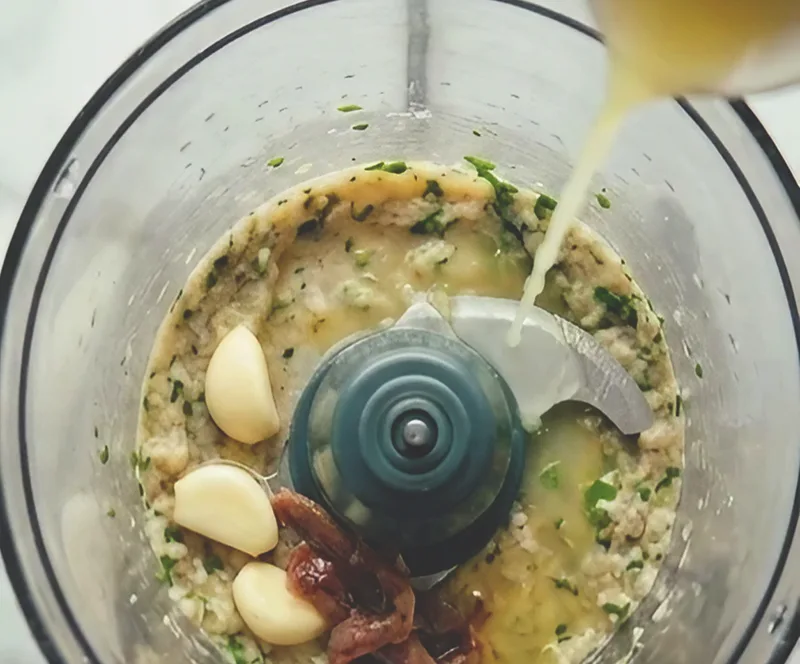
Blend the garlic and anchovy first, before the mayonnaise
Order matters in this recipe. If you added the garlic directly into the mayonnaise and blended it all together, you'd have bits of raw garlic throughout your dressing instead of it fully incorporating. The garlic is blended with the lemon juice and anchovy paste; the first 20 seconds will do just fine, which reduces it to mush before adding in other thicker ingredients. The anchovy paste probably deserves a word all to itself: in 300 ml of dressing there are about 2 teaspoons, so that it drops below the threshold at which anyone would describe this as fish. What it does is provide a savory background depth that otherwise would be lacking. Take it out, and the dressing tastes perfectly fine but rather on the dull side. Leave it in, and you will taste coming out of a restaurant.
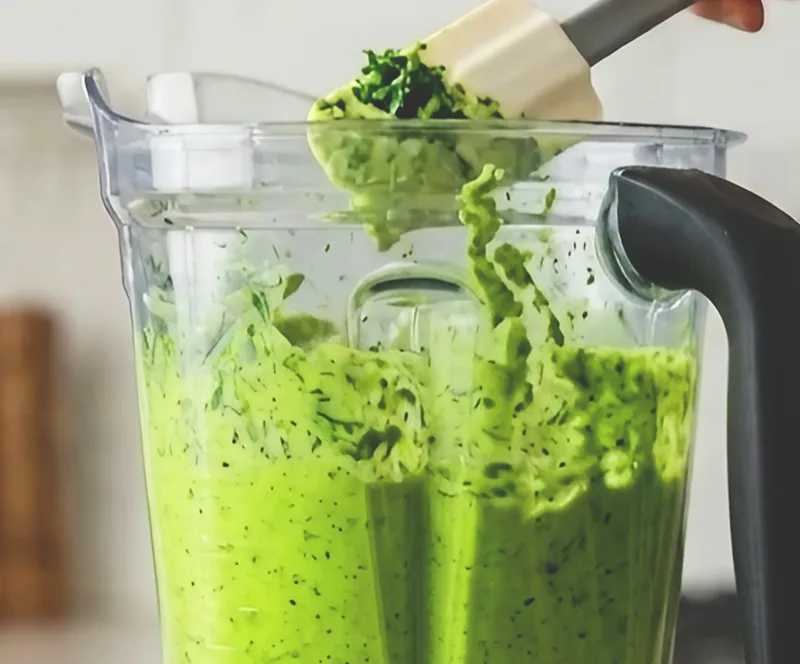
Blend the herbs for a full 60 to 90 seconds
Most home blenders will fully process herbs in about 60 seconds, but underblending is one of the most common ways this recipe goes wrong. If the herbs aren't broken down completely, you get a streaky, uneven colour and visible pieces of herb suspended in the dressing rather than a smooth, deeply green emulsion. Blend until the surface of the dressing looks completely even with no green streaks — then blend for another 15 seconds past that point. Scraping down the sides halfway through is not optional in a small blender; herbs cling to the walls and don't get processed unless you push them back down.
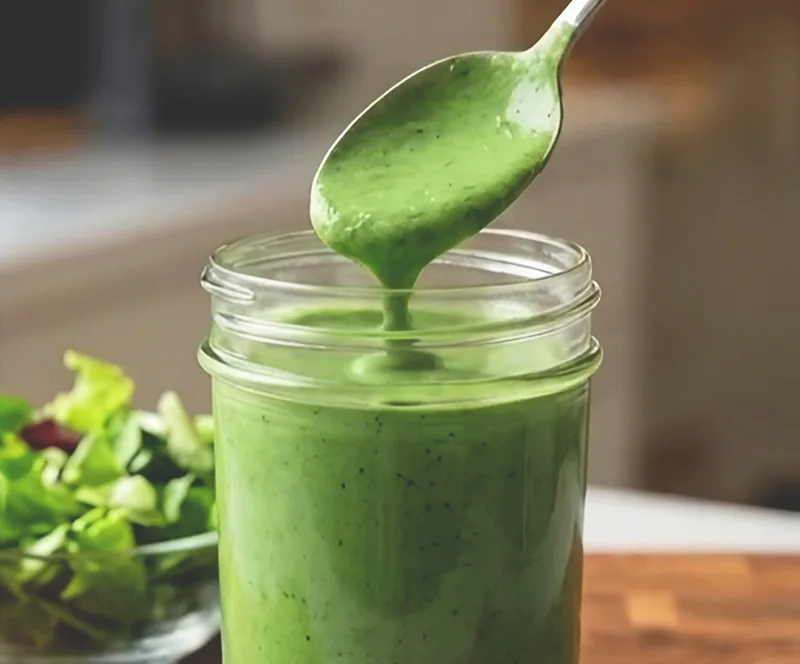
Taste and rest - the flavour changes as it chills
Taste the dressing right out of the blender, and it'll seem bright and slightly sharp from the lemon and vinegar. That's normal. The flavours mellow and integrate as the dressing sits in the fridge, and the color shifts from a bright, almost neon green to a deeper, more muted jade over the first hour. If it tastes right straight out of the blender, it'll taste slightly flat after an hour in the fridge because the acids are doing their work. Season it so it tastes marginally too punchy when fresh, and it'll be balanced when it's cold. The dressing is at its best at the 12 to 24-hour mark.
★★★★★ 5.0 from 1 vote
Original Green Goddess Dressing Recipe with mayo
Save this recipe, share it with friends, or browse more Dinner ideas below.
Equipment
- Small blender
- Rubber spatula (for scraping down the sides)
- Kitchen scales or measuring spoons
- Glass jar or airtight container for storing
- Citrus squeezer
Save this recipe!
Get this sent to your inbox, plus get new recipes from us every week.
Ingredients
Instructions
- Wash the tarragon, parsley, and chives thoroughly under cold water, then pat or shake them dry. Wet herbs dilute the dressing and turn it watery. Strip the tarragon leaves from their woody stems and discard the stems; they're bitter and don't blend smoothly. Roughly chop the parsley and cut the chives into 3 to 4 cm lengths.
- Add the garlic, anchovy paste, and lemon juice to the blender or food processor. Blend for 20 seconds until the garlic is broken down into the liquid. Starting with these before the mayonnaise prevents chunks of raw garlic in the finished dressing.
- Add the mayonnaise, sour cream, white wine vinegar, salt, and a few grinds of black pepper. Blend for 30 seconds until smooth and combined. The color will be pale cream at this stage.
- Add the tarragon, chives, and parsley. Blend for 60 to 90 seconds until the herbs are fully broken down and the dressing is an even, deep green with no visible herb streaks. Scrape down the sides of the blender once halfway through. If the color is patchy, blend for another 30 seconds.
- Taste and adjust before refrigerating: add more lemon juice if it needs brightness, more salt if it tastes flat, and more vinegar if it's too rich. Pour into a sealed jar and refrigerate for at least 30 minutes before serving. The color deepens and the flavors come together as it chills. Keeps for up to 4 days in the fridge.
Frequently Asked Questions
What can I use instead of anchovy in green goddess dressing?
You can but that alters the depth of finished dressing. The 2 teaspoons anchovy paste in 300ml of dressing doesn't taste fishy at all; its there to add umami sparkle. It's meant for background saltiness and savory depth. Instead, simply whisk in 1 teaspoon white miso paste if you want to leave it out. It has a different tasting note but creates the same ambient effect. Without either, the dressing has a more airy and less rounded quality.
How Does Green Goddess Dressing Taste?
It's a mayonnaise-based dressing that's thick, with an herby taste led by tarragon — which has very faint licorice notes that are essentially the main flavor of this salad dressing. The chives impart a light onion flavor and the parsley gives freshness, while the whirlwind of white wine vinegar + lemon juice cuts through all that richness with bright acid. It isn't runny, it really coats leaves and acts as a dip or dressing.
How long does green goddess dressing last?
Fridge up to 4 days in an airtight jar. It's normal for a bright green color to deepen to more muted jade on the first day, this does not mean that the dressing has gone bad. It would taste even better if it was allowed to rest for a while, with the flavor improving as all of those herbs really sink into that base over the first 12 hours. Throw it away if it's sour-smelling, or has separated so much that when you stir the layers they don't come back together.
Can You Make Green Goddess Dressing without Blender
Sure, but be warned about the texture. Very finely mince the garlic, chop all three herbs as fine as you can get them (using sharp knife blades to slice paper thin and a lot of elbow grease), press together anchovy paste and garlic flat about 3 times using two sides or edge of a large kitchen knife until it forms an amalgamated paste that disappears into dressing then beat in mayonnaise sour cream lemon juice vinegar with whisk blended well. Note that it will be a paler (less green) and chunkier dressing than the blended one, but won't lose any flavor! This was the way some of the older versions were made.
Can I make this without anchovy paste?
You can, but you'll lose the background depth. Try a dash of Worcestershire sauce instead if you want a fish-free option.
Is this the same as the avocado Green Goddess dressing that went viral online?
No, that's a newer, different recipe. This one is the original 1920s mayonnaise-and-tarragon version.
Can I make it dairy-free?
Swap the sour cream for a dairy-free yogurt alternative and use an egg-free mayonnaise if needed; the flavor will be slightly less rich but still work.
Notes
Why tarragon can't be swapped for basil
Every 'green goddess' recipe that substitutes basil for tarragon is making a different dressing. Basil is sweet and slightly peppery. Tarragon is clean and faintly anise. The anise note is what gives green goddess its distinctive character - it's the thing people taste and can't quite identify, and it's why the dressing tastes different from any other herb-based sauce. If you can't get fresh tarragon, use 1 teaspoon of dried tarragon and accept that the result will be less vivid. Don't substitute basil and expect it to taste like the original.
The mayonnaise makes a difference
Full-fat, good-quality mayonnaise is worth using here because the dressing is mayonnaise-forward. The flavor of reduced-fat or light mayonnaise (which uses modified starch and water to cut calories) comes through in the finished dressing in a way it doesn't when mayo is used as a binder in something more complex. If you're buying specifically for this recipe, use Hellmann's full-fat or a good-quality own-brand full-fat. The difference between a dressing made with good mayonnaise and a reduced-fat one is noticeable.
Using it as a chicken marinade
Green goddess dressing makes an excellent marinade for chicken thighs. Coat 4 bone-in, skin-on thighs in about 4 tablespoons of the dressing, cover, and refrigerate for 2 to 8 hours. The acid from the lemon juice and vinegar tenderises the meat slightly; the mayonnaise keeps it moist during cooking and helps the skin brown and char at the edges. Grill or roast at 200°C (180°C fan) for 35 to 40 minutes. The tarragon flavor comes through strongly in the finished chicken.
Nutrition
Calories: 135 kcal | Carbohydrates: 1 g | Protein: 1 g | Fat: 14 g | Saturated Fat: 3 g | Sodium: 220 mg
Nutrition information is automatically calculated and should only be used as an approximation.
Like this? Leave a comment below!
Free Recipe Book
Download my Healthy Food Recipe Book, a collection of nourishing, from-scratch recipes for everyday cooking. Practical meals and snacks you can make at home.
Get the recipe book