By Emily Dawson, Food Blogger, Recipe Developer, Photographer
20+ recipes developed and tested in her home kitchen before publishing on British Kitchen Hub.
Reviewed against our editorial standards.
Creamy Tuna Pasta Bake Healthy Recipe
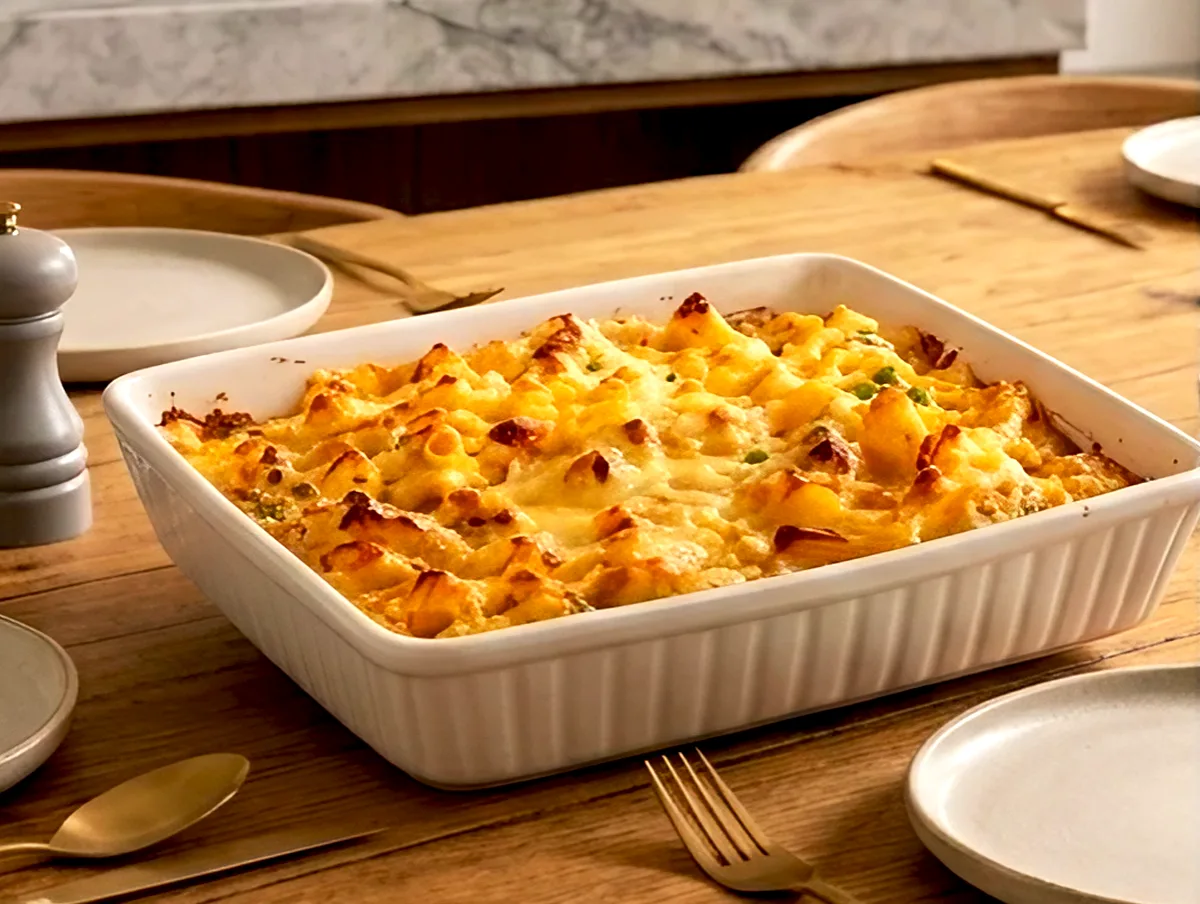
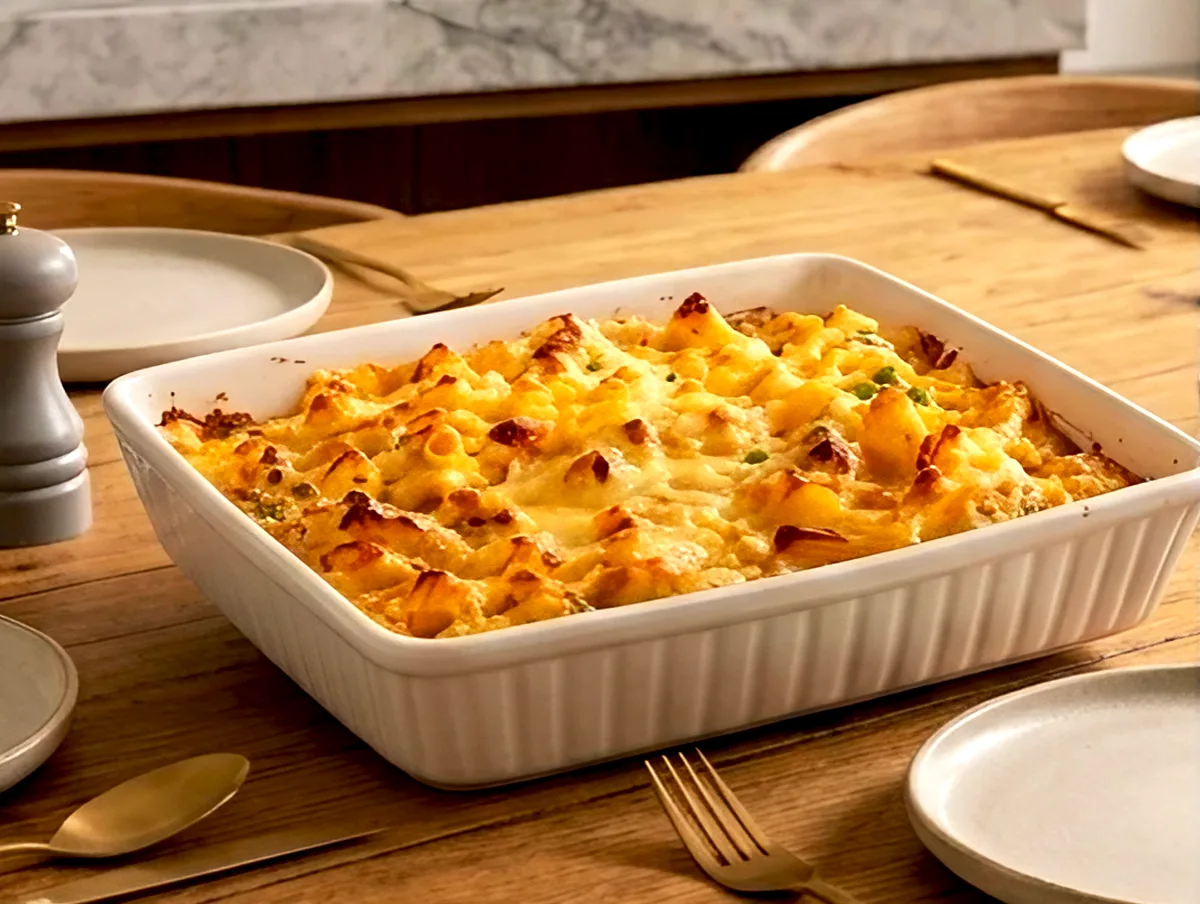
Creamy Tuna Pasta Bake Healthy Recipe This healthy tuna pasta bake recipe turns teeming tinned fish (a British kitchen staple) into a satiating, baked, high-protein pasta meal. 34g protein for the whole dish from two cans of tuna in spring water, 34g per serve. 0.7 per second, and that's not a rounding-up estimate, either; those are the digits. Reduced-fat crème fraîche works like double cream in a pasta bake: it lets the overall dish envelop itself with general unctuousness as well as coating the pasta, binding the sauce, and carrying onward cheese flavor (per 100 g at half the calories). Add a tin of chopped tomatoes to provide body and acidity, which will cut through the richness. Frozen peas get tossed in straight from the bag, no thawing necessary. Then by the time this dish comes out of the oven, they're squeakily cooked throughout. It is 40 minutes start to finish (including a cold start), uses one hob pan and one oven-safe dish, and reheats the next day if you do just ONE thing that prevents it from going dry: undercook the pasta by two minutes.
Prep
10 mins
Cook
30 mins
Servings
Serves 4
Difficulty
Easy
Creamy Tuna Pasta Bake Healthy Recipe
There's a tin of tuna at the back of almost every British kitchen cupboard right now. Probably two. This recipe is what to actually do with them - not a sad tuna jacket or a watery pasta salad, but a proper baked dish that comes out of the oven with a golden cheese crust, a sauce that coats every piece of pasta, and enough protein per serving to keep you full until the following morning.
The healthy version of this recipe isn't a stripped-down compromise. Two cans of tuna in spring water deliver 36g of protein across the whole dish - 36g per portion before you count the cheese or the peas. Reduced-fat crème fraîche does the sauce work that double cream usually handles, saving about 150 calories per serving with no detectable difference once it's baked under a layer of cheddar. That's the whole trick. The rest is just making it taste good.
There's one thing most tuna pasta bake recipes get wrong, and it produces the same complaint every time: the sauce goes gluey and the pasta turns to mush. The cause is always the same — pasta keeps absorbing liquid in the oven. Cook it to the packet's recommended time and it won't stop absorbing. It'll soak up the sauce, the sauce will thicken to paste, and you'll end up with a dry, stodgy bake. The fix is to pull the pasta 2 minutes short of the packet time. It finishes cooking as it bakes. This one change makes the recipe work.
Penne is the right shape for this dish. The tubes hold sauce inside each piece, which means you get sauce in every bite rather than a pool at the bottom. Rigatoni works the same way. Don't use spaghetti or linguine — they clump together in the oven and layer like a block.
One last thing worth saying: season the sauce properly before it goes in. Tuna absorbs salt as it bakes. Sauce that tastes right going in will taste flat coming out. Season it to the point where it seems like slightly too much - that's the level you want.
Variations
- Swap the frozen peas for 100g baby spinach (add it raw, it wilts down as the dish bakes) or 100g frozen spinach squeezed dry. The flavor is milder and the color darker under the cheese.
- Add 1 tablespoon of capers with the tuna. It sounds like a strange addition. It works well, the sharpness cuts through the richness of the crème fraîche and cheese.
- Replace half the cheddar with 30g grated Parmesan for a sharper, more complex flavor without changing the recipe structure.
- Scatter a torn 125g mozzarella ball over the top in the last 5 minutes of baking for a stringy, pull-apart topping on top of the cheddar.
How to Make Creamy Tuna Pasta Bake Healthy Recipe (Step-by-Step)
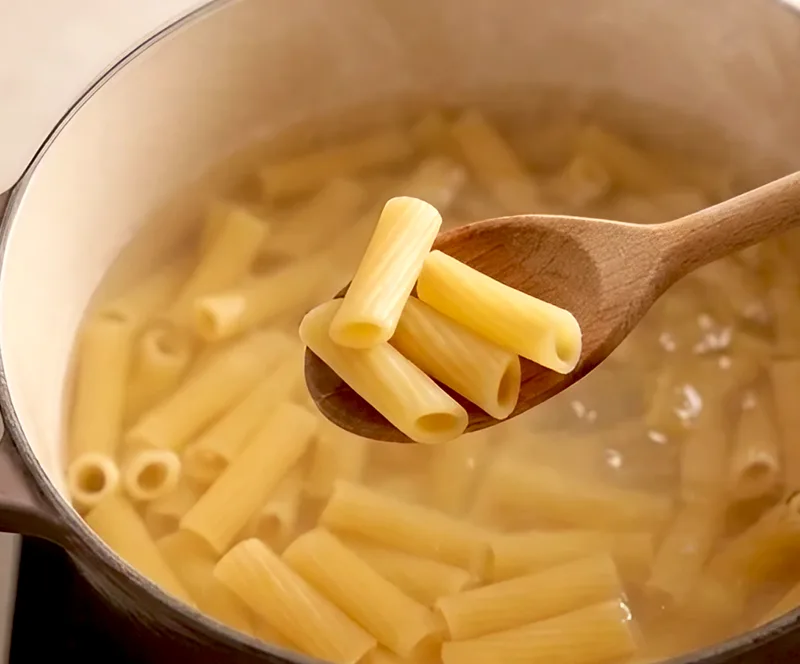
Undercook the pasta
One of the most crucial things in this recipe is pulling the pasta two minutes early. All pasta bakes that start with a directive to cook the pasta well before putting it in the oven encounter exactly the same issue: dry sauce, over-cooked noodles that stick together, and you cut into one that's starchy, not sloppy. The penne will be chewy in the centre and look underdone at 9 minutes (for an 11-minute pasta). That's correct. The dish stays surrounded by sauce as it bakes, so the pasta keeps absorbing flavor instead of just water. The contrast in texture between a penne bake that has been undercooked and one allowed to go fully cooked before baking is anything but subtle. It accounts for whether or not the dish holds together when plated, versus simply melting into an amorphous mass.
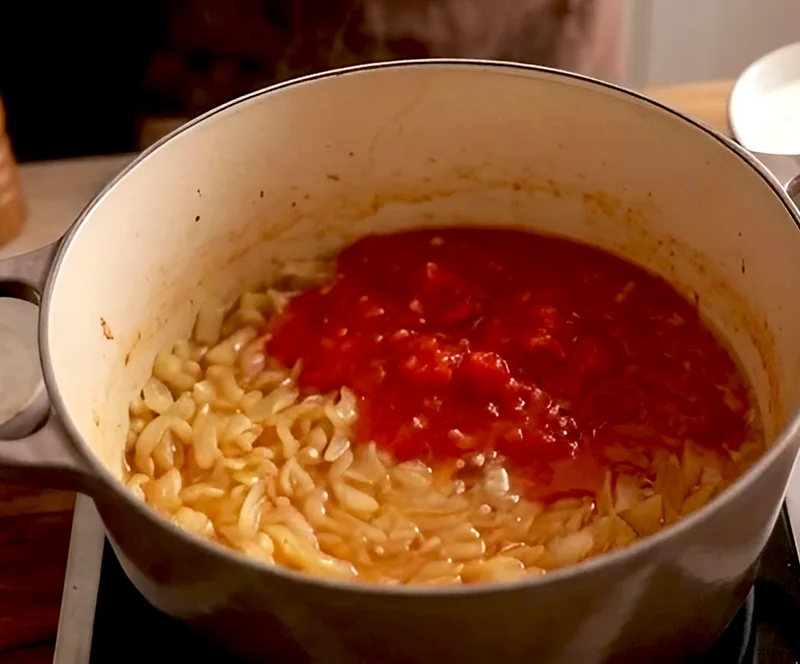
Build the sauce base properly
The sauce consists of three very distinct flavor layers: the sweet cooked-down onion and garlic base, then the tomatoes, and finally, off the heat, you strike in a big scoop or two each of crème fraîche (or sour cream) plus grated cheese. Each layer matters. Over medium heat, the onion takes 6 to 8 full minutes. It's sharp and watery at 3 minutes; sweet, soft and laying the background flavor everything else sits on. Then the tomatoes get added afterwards and cook for only 3 minutes, just long enough to lose their raw edge but not so long that they reduce down and concentrate. The crème fraîche and cheese go in off heat so they don't split over direct fire. Toss them in while it's off the heat, and you'll have a uniformly smooth sauce.
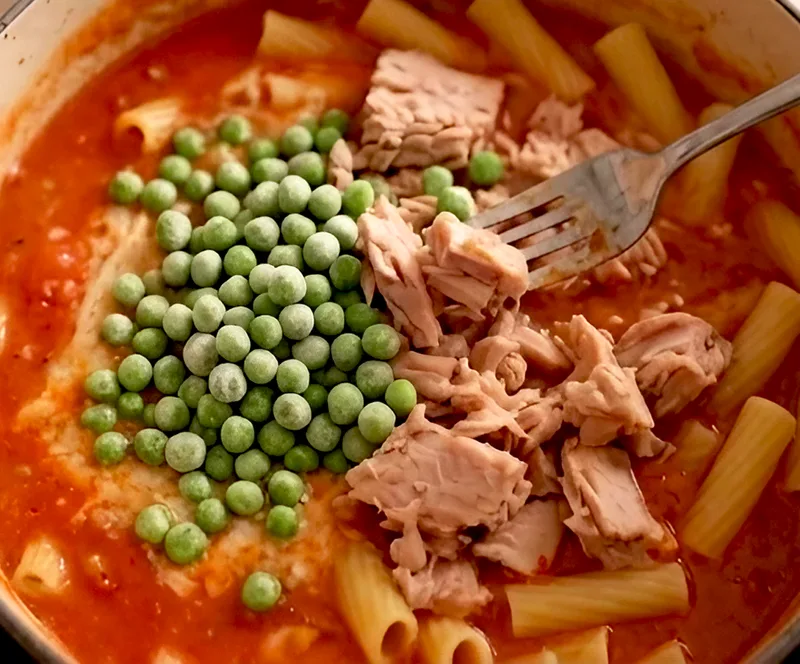
Break the tuna into rough pieces
The way you add the tuna impacts the texture of the final dish. If you chop it up too small before stirring into the sauce, then the flakes vanish in the sauce, and what comes out of your oven is a kind of tuna-flavored pasta dish rather than a tuna casserole. With a fork, break each piece into fairly large 1.5cm to 2cm pieces (to keep the filling together through folding and baking for 20 minutes). Some smaller flakes are fine. Chunk is not very damaged; much better. This is the moment your frozen peas go in straight from the bag. No need to defrost them first – they will warm through in the oven. Peas that thaw out during folding will break apart and become mushy by the time dinner is over.
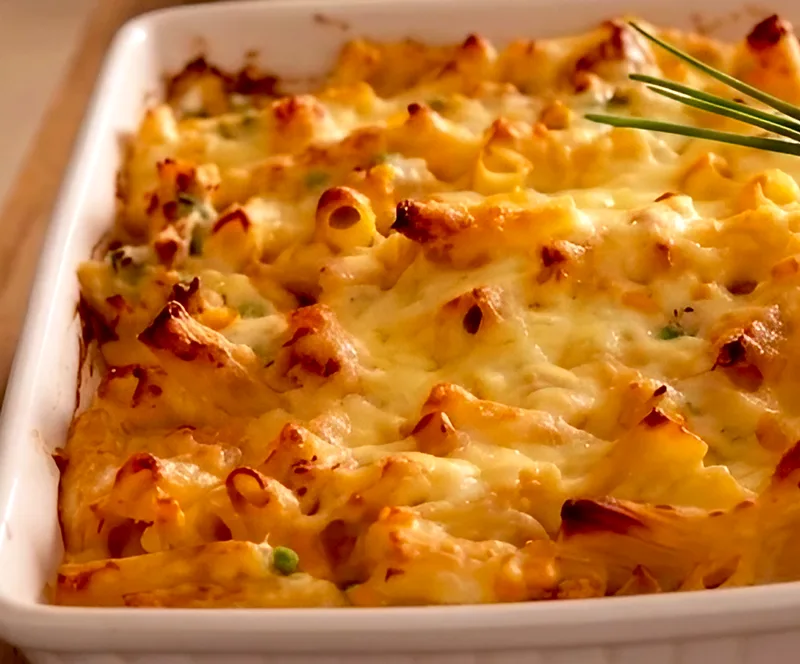
Read the top, not just the timer
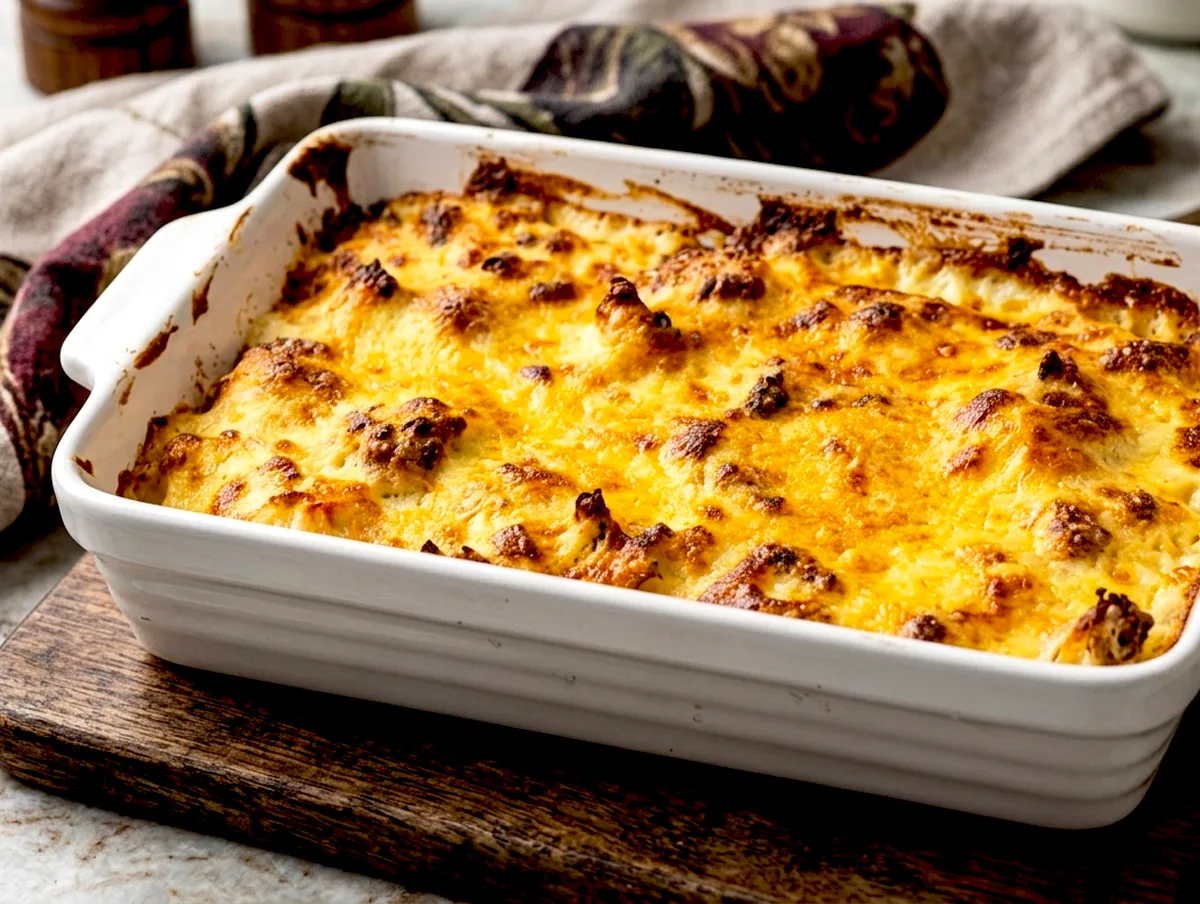
The recipe says 20 to 25 minutes, but the oven, the size of your dish, and how chilled the ingredients were going in all affect the actual time needed. What you're looking for is a top that's gone from pale and matte to genuinely golden-brown, not just lightly colored but with some darker spots around the edges where the cheese has been in contact with the hot dish. The sauce should be bubbling at the edges, not just steaming in the middle. If the cheese is golden but the sauce isn't bubbling yet, give it another 3 to 4 minutes. If the sauce is bubbling but the cheese is still pale, put it under the grill for 2 minutes at the end.
★★★★★ 5.0 from 1 vote
Creamy Tuna Pasta Bake Healthy Recipe
Save this recipe, share it with friends, or browse more Dinner ideas below.
Equipment
- Large saucepan (for the pasta)
- Large ovenproof frying pan or wide saucepan (for the sauce)
- Baking dish, approximately 30cm x 20cm
- Colander
- Wooden spoon or silicone spatula
- Box grater (for the cheese)
- Tin opener
- Sharp knife and chopping board
- Measuring jug
Save this recipe!
Get this sent to your inbox, plus get new recipes from us every week.
Ingredients
Instructions
- Preheat the oven at 200°C / 400°F (180°C fan) gas mark 6. Put a big pot of well-salted water - as in, when you taste it, the salt will burn your tongue but not so much that you'd scream for help with about 1 teaspoon (5 g) per quart (litre) of water. Throw in the penne and boil for 2 minutes less than the packet directions. Cook it for nine if the packet says eleven minutes. It won't appear to be fully cooked, and it isn't. That's the point. Drain, reserving a mugful (around 150ml) of the pasta water and setting it aside.
- Meanwhile, heat the oil in a large ovenproof frying pan or wide saucepan over medium-high heat. Mix in the onion and saute for 6 to 8 minutes, stirring sometimes up until soft as well as clear with a little bit of colour at the sides. Now add after a minute and half the garlic. Stir in the chopped tomatoes and cook for 3 minutes.
- Remove the pan from the heat. Add the crème fraîche, Dijon mustard and 40g of the grated cheddar (half) and stir together. Taste for way too salty currently; add a showering of pepper & too much salt - that is what the sauce must taste like at this point. If it appears really thick, mix in three to four tablespoons of the reserved pasta water till loosened up (it should be smeared on a spoon.)
- Into the sauce, add frozen peas and drained tuna to give it a rough flake with a fork. Push out something that looks nice and chunky, about 2cm-sized flakes – not fine crumbs, as they will break up during baking time, but decent pieces so they hold together in hot fettle! Toss through the drained pasta, and then fold all together until equally combined. If your pan isn't ovenproof, transfer it to a 30 cm x 20 cm baking dish. Sprinkle the rest of your 40g cheddar over the top.
- Bake for 20 to 25 minutes until the cheese is truly golden-brown, not just lightly coloured, with some darker spots where it has touched the hot dish and bubbling at the edges of your sauce. Let it stand for 3 minutes before serving, as the sauce tightens up a little bit as it sits and the temperature evens out through the dish. If using, pile the parsley on top as well.
Frequently Asked Questions
Can I make tuna pasta bake ahead of time?
Yes. Cover tightly with cling film, and refrigerate for up to 24 hours. When you're ready to bake, take it out of the fridge 20 minutes beforehand to take the chill off.
Can I freeze tuna pasta bake?
Yes. Bake it completely, let it cool fully, then portion it into freezer containers and freeze for up to 3 months. Defrost in the fridge overnight and reheat in the oven at 180°C (160°C fan) for 20 minutes, covered with foil for the first 15 minutes, uncovered for the last 5 to refresh the cheese top. Add a splash of water before reheating to loosen the sauce as it heats.
Can I use fresh tuna instead of tinned?
You can, though it changes the recipe. Fresh tuna needs to be very lightly seared, about 1 minute per side in a hot pan. Then broken into chunks and added at the same stage as the tinned tuna. Don't cook it through on the hob before it goes in, as it'll be dry after 20 minutes in the oven.
How do I stop tuna pasta bake from drying out?
Two things matter here. First, undercook the pasta by 2 minutes before it goes in — fully cooked pasta absorbs the sauce in the oven and turns the dish dry and stodgy. Second, don't reduce the sauce too far on the hob. It should look slightly saucier than you want the finished dish to be, because the pasta absorbs liquid during baking.
Notes
Drain the tuna properly, it matters more than you'd expect
Canned tuna in spring water holds more liquid than it looks like. Drain it lightly and that extra water goes straight into the sauce and dilutes it. Press it firmly against the side of the sieve with a fork, or use your hand through the lid of the tin to squeeze out as much liquid as possible. You want it as dry as you can get it before it goes in. The same applies to tuna in brine. If you're concerned about the sodium from brine, rinse it briefly under cold water after draining, then press it dry with kitchen paper.
How to tell if the bake is actually done
Golden cheese on top doesn't mean the dish is ready all the way through. The tell is the bubbling at the edges, that's the sauce reaching temperature right through the dish. Pale, cool center under golden cheese means the pasta is still absorbing liquid and hasn't heated through. Give it the full time the recipe states, and use the grill for the last 2 minutes if you want deeper color on the cheese top without overcooking the interior.
Nutrition
Calories: 570 kcal | Carbohydrates: 62 g | Protein: 17 g | Fat: 16 g | Fibre: 7 g | Sodium: 480 mg
Nutrition information is automatically calculated and should only be used as an approximation.
Like this? Leave a comment below!
Free Recipe Book
Download my Healthy Food Recipe Book, a collection of nourishing, from-scratch recipes for everyday cooking. Practical meals and snacks you can make at home.
Get the recipe book