By Emily Dawson, Food Blogger, Recipe Developer, Photographer
20+ recipes developed and tested in her home kitchen before publishing on British Kitchen Hub.
Reviewed against our editorial standards.
Shani Lips Noodles Recipe (Viral Shanghai Fried Noodles)
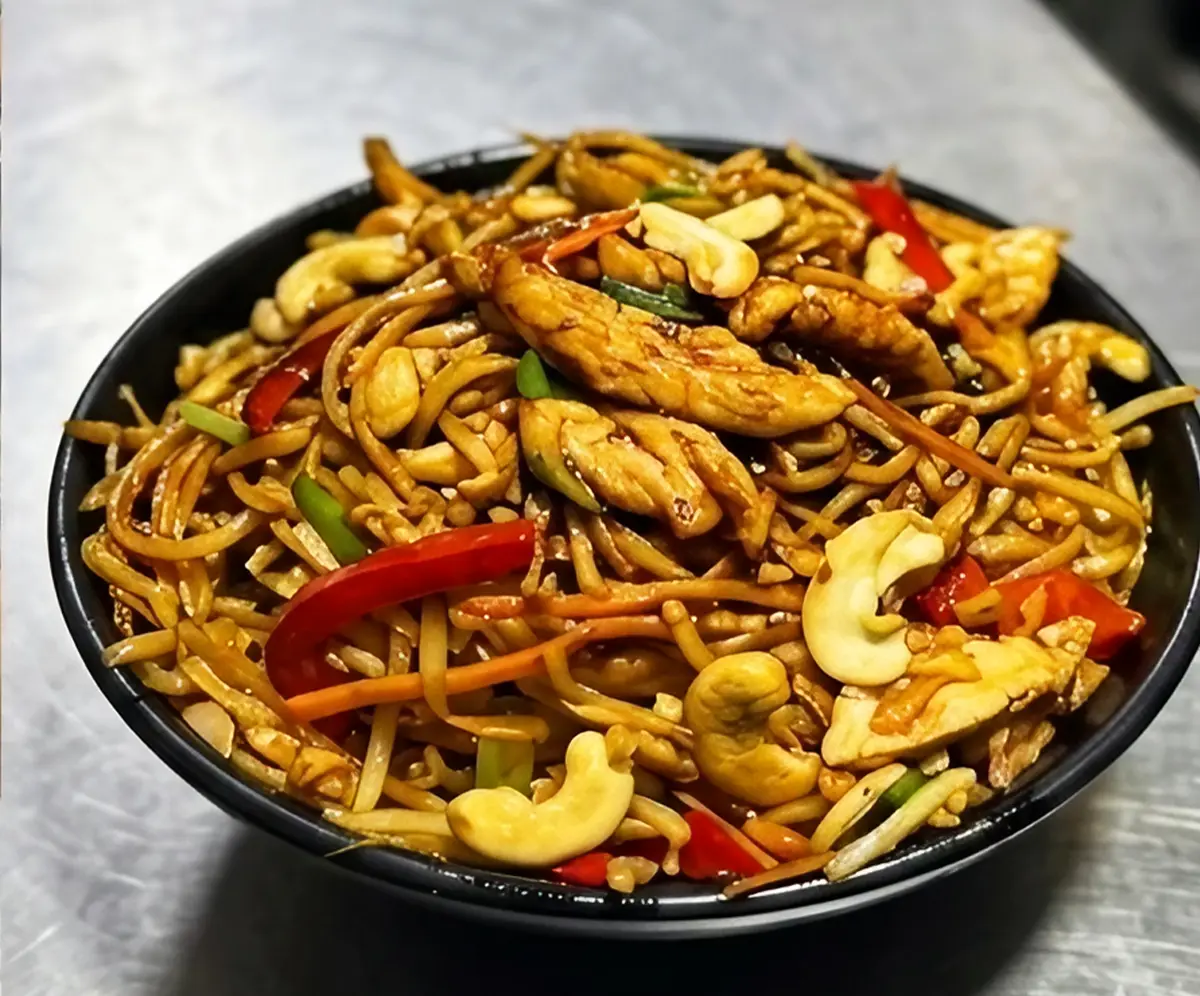
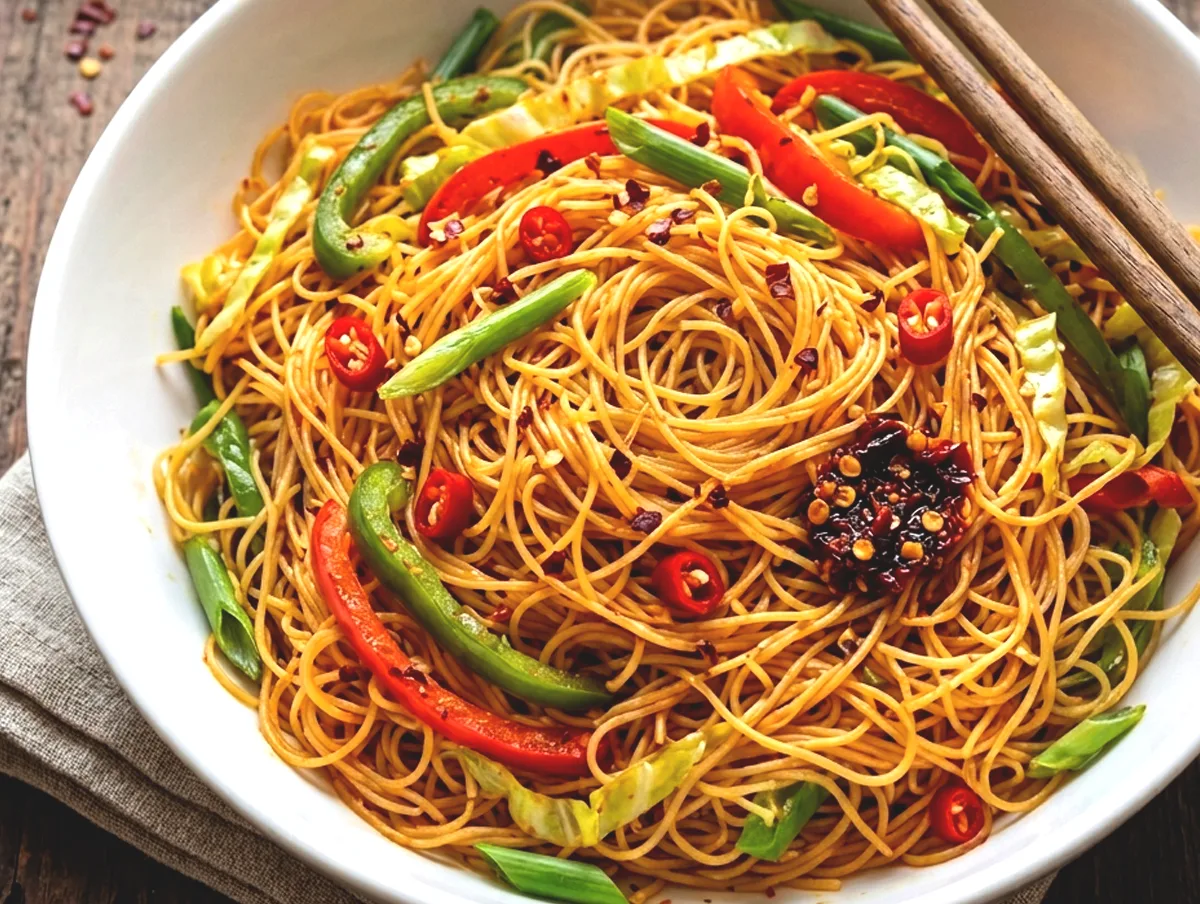
Shani Lips Noodles Recipe (Viral Shanghai Fried Noodles) The Shani lips noodles recipe is a viral TikTok Shanghai fried noodles dish that's been doing the rounds on social media. Thick, chewy Shanghai-style goopy fun (the good kind); crisp-blanched cabbage and mushrooms stir-fried with TLC in sticky dark soy sauce. The recipe spread like wildfire alongside the 'Shani lips' trend, and creators across TikTok and Instagram recreated it in their own kitchens and posted the results. It's also the satin, lightly fingerprint-burned pasta playing against tender dark-meat chicken and meaty mushrooms wrapped in fat threads of a luscious sauce that's 100 percent umami.
Prep
15 mins
Cook
15 mins
Servings
Serves 2 to 3
Difficulty
Easy
Shani Lips Noodles Recipe
If you have been scrolling through @tiktok recently, then there is no doubt that the Shani lips noodles recipe has appeared on your feed: a plate of shiny, thick Shanghai fried noodles that became hugely viral, with millions of creators recreating them and filming the reaction! The dish is all that a viral food trend ought to be - beautifully styled, actually tasty and remarkably simple at home.
The noodles which form the base of the recipe are thick, Shanghai-style noodles - broad, chewy and satisfying in a far deeper way than flimsy sorts do. You give them the good old stir-fry with marinated chicken (soy sauce, Shaoxing wine, white pepper, and cornflour to make it silky and tenderised), shiitake mushrooms, yellow onion, sliced cabbage, and green onions. The sauce epitomises simplicity: normal soy, dark (to add colour and complexity); oyster sauce (for salty sweetness); a sprinkle of sugar to balance the savoury notes; cornflour as a thickener; and water, if you feel like loosening it.
The secret to re-creating the viral restaurant-quality result from this recipe is simplicity, speed and heating. A super-hot wok, quick movements, and confidence are essential.
How to Make Shani Lips Noodles Recipe (Viral Shanghai Fried Noodles) (Step-by-Step)
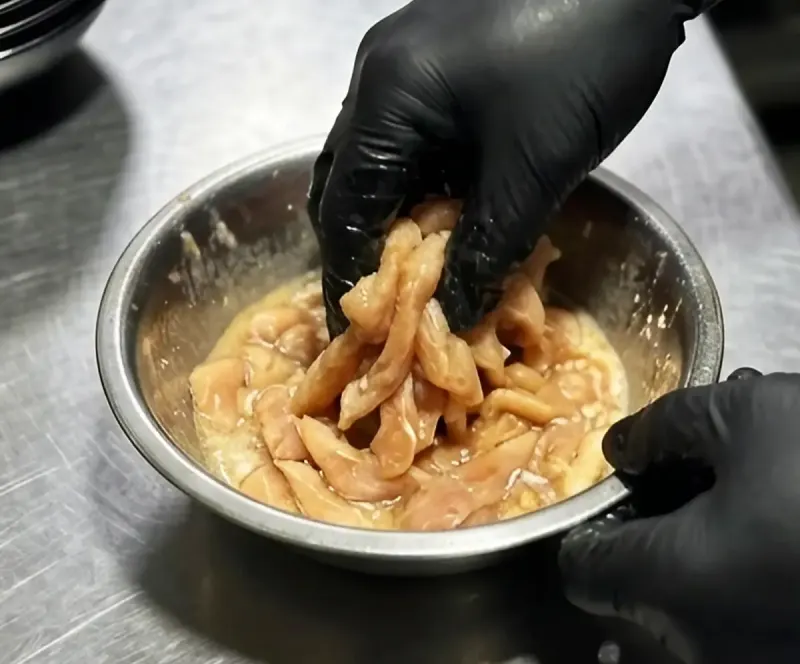
Marinate the chicken with cornstarch
The cornstarch in the chicken marinade is non-negotiable (it's "velveting" - a Chinese cooking technique, and it's what makes takeout-style stir-fried chicken so much better than your home-cooked soggy version). The cornstarch coats each piece of chicken in the wok with a thin layer that holds moisture against it during all that high heat. A good rule of thumb is 15 minutes as the min; with noticeably silkier results achievable in around half an hour. For a mellow fermented depth, you can use Shaoxing wine, dry sherry is the best substitute if unavailable.
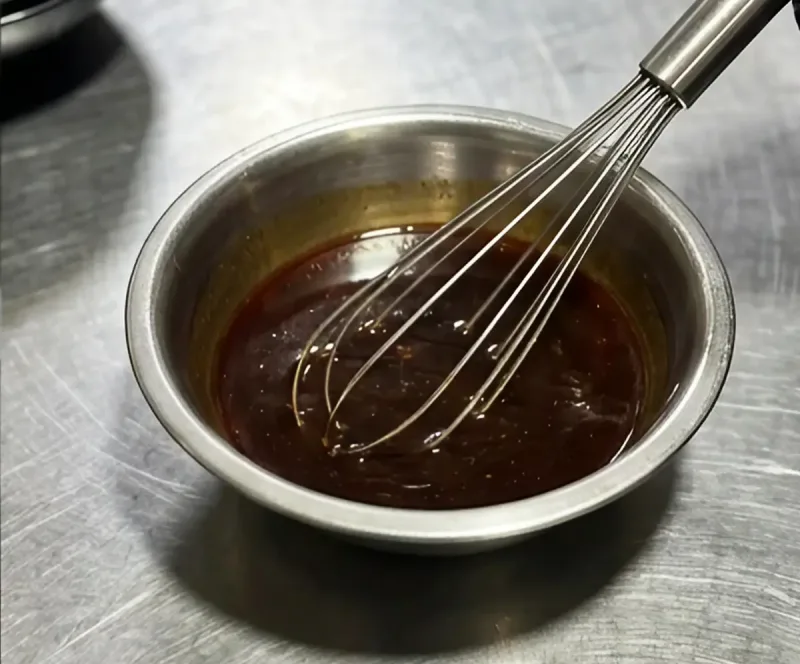
Whisk the sauce before you start cooking
For the Shani lips noodles recipe: this four-ingredient sauce is a study in extreme depth regular soy for salt, dark soy to deepen and sweeten with mahogany hue, oyster sauce to add to form an ultralight garlicky brown-black punch that harmonizes beautifully. Cornstarch in the sauce makes contact with a very hot wok and instantly thickens, producing that shiny outer layer seen on viral videos. Combine everything, cold (the wok is not even on the heat yet, once you start cooking there really isn't time to mess).
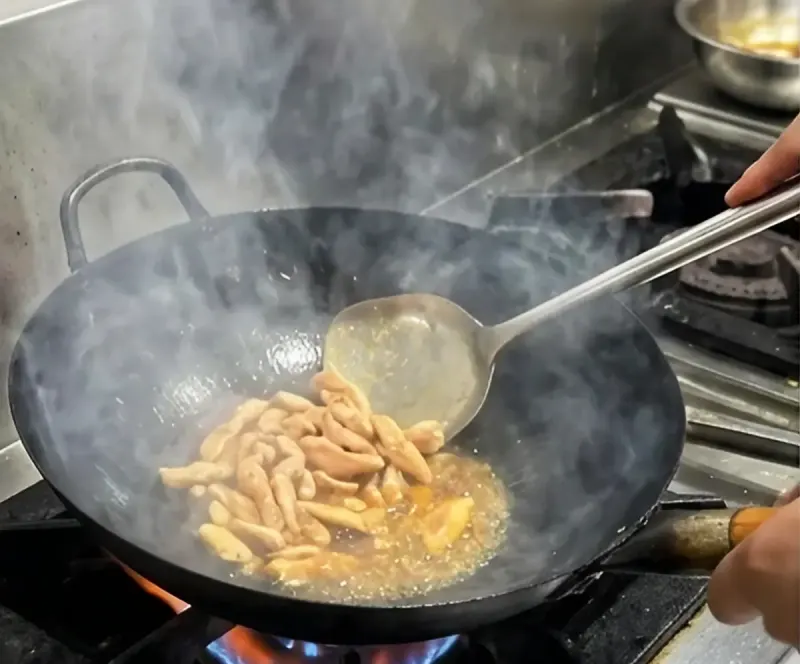
Get the wok screaming hot
This is by far the most important heats technique of shani lips noodles. You' re taught to heat the wok, then add oil and wait till it smokes: you are told that as soon as the oil touches your woks surface it should shimmer. It is this searing heat that gives 'wok hei' - the almost smoky, charred, caramelised taste of food you get from cooking in a "proper" restaurant kitchen rather than at home. If your wok is not smoking, it isn't hot enough. Gas hobs are best; for induction or electric, a flat-bottomed carbon steel wok will work, just be patient: it gets there.
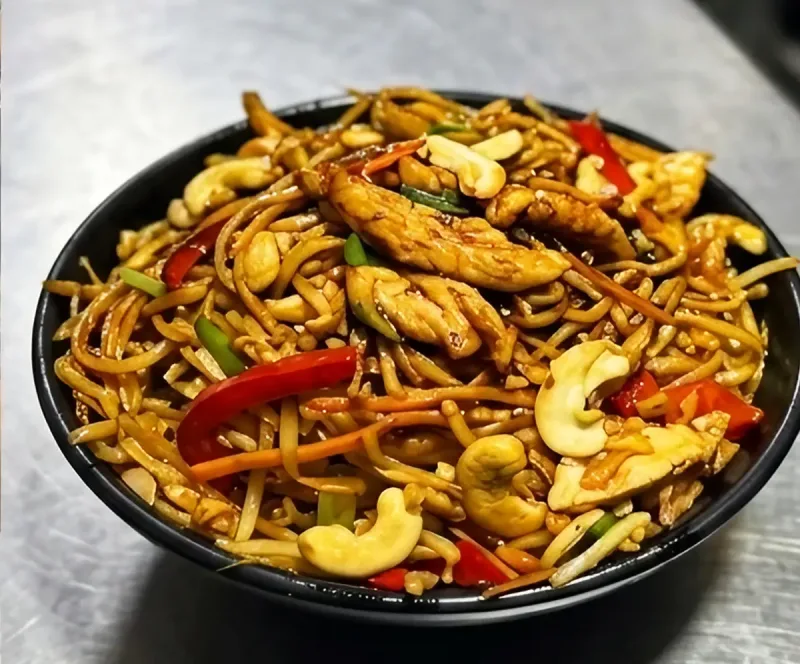
Toss, press, char - then sauce
When the noodles go into a wok, try not to stir so much. That means flatten them against the surface of a wok for 30 to 45 seconds, then toss and press again. It's those 30-second rest periods that create the crisp, almost charred edge of a noodle you see in every clip of viral Shani lips noodles and makes each bite so addictive. The sauce goes in last, after the char has developed and toss for a quick 60 seconds until glistening all. You know it's done when the sauce has clung to each and every strand.

★★★★★ 5.0 from 1 vote
Shani Lips Noodles Recipe (Viral Shanghai Fried Noodles)
Save this recipe, share it with friends, or browse more Dinner ideas below.
Equipment
- Wok (carbon steel or cast iron preferred) or large non-stick skillet
- Large pot for boiling noodles
- Tongs or two pairs of chopsticks for tossing
- Small mixing bowl (for sauce)
- Medium bowl (for marinating chicken)
- Sharp knife and chopping board
- Measuring spoons
- Colander or sieve for draining noodles
Save this recipe!
Get this sent to your inbox, plus get new recipes from us every week.
Ingredients
Instructions
- Marinade the chicken: Cut the breast or thighs, if using, into strips about 5 mm thin. (If subject to grain). In a medium bowl mix chicken with 1 tablespoon of soy sauce, 1 tablespoon of Shaoxing wine or dry sherry, and 1 teaspoon of white pepper. Toss until everything is coated. Allow it to sit at room temperature for 15 minutes - the cornstarch creates a protective layer that both keeps the chicken juicy and silky in this high-heat stir-fry.
- Make the sauce: Whisk together 2 tablespoons soy sauce, 1.5 tablespoons dark soy sauce, 1.5 tablespoons oyster sauce, and also sugar in a small bowl until smooth with no cornstarch lumps remaining. Couple with cusp water (60 ml/¼ cup). Keep the sauce next to the hob, once the wok is hot, everything moves fast.
- For cooking the noodles, place a large pot of unsalted water over high heat and bring to a rolling boil. Add the Shanghai noodles and cook according to package directions (4–6 minutes for fresh; just cooked through). Drain at once and cool in cold water quickly to avoid cooking and stickiness, then toss with a few drops of oil. Set aside.
- Heat your wok to the highest heat that your hob can muster! This is the most important step: wait for it to start smoking before you add oil. Pour in 1 tablespoon of oil and swirl to coat. Add the marinated chicken in a single layer and let it sit for 60 seconds before stirring, so it can start to color. Cook for 2 to 3 minutes more or until just cooked through and starting to char in spots. Transfer the chicken to a plate and keep it aside.
- Heat a wok over high heat and return to the order of process with any oil left; add more, one tablespoon. Add minced garlic and fry uncovered for 10 seconds or until fragrant - do not burn! Add yellow onion and stir-fry until softened about 1 minute. Add cabbage and shiitake to the pan, stir-frying for an additional 2 minutes or until cabbage is wilting down and mushrooms are tender.
- Toss in drained noodles into the wok. Shake with tongs or chopsticks and spread them out against the wok surface so they touch hot metal. Let them sit undisturbed for 30 to 45 seconds so they can blacken, then toss again. Repeat once or twice, this gives you the crisp, smoky edges that define it.
- Immediately pour the mixture over noodles and stir quickly for 1 minute to coat each strand, then thicken into a glossy sauce. Toss in the green onions and the cooked chicken back into the wok. Allow it to toss and heat through for another 30 seconds, tops. Constantly taste and season with another splash of soy sauce when necessary. Spoon onto warmed plates and serve immediately, straight from the wok.
Frequently Asked Questions
What is the Shani lips noodles recipe?
The Shani lips noodles recipe is a viral TikTok Shanghai fried noodles dish that went massively popular in 2025 and 2026 alongside the 'Shani lips' sound and trend. The actual recipe is a classic Chinese stir-fried noodle dish using thick Shanghai noodles, marinated chicken, shiitake mushrooms, cabbage, and a dark soy and oyster sauce. It became famous because of its visually stunning glossy appearance, the charred noodle edges, and the incredibly satisfying taste that creators captured in their reaction videos.
What noodles do you use for the Shani lips noodles recipe?
Shani Lips noodles use thick, Shanghai-style wheat noodles - wide, round, and chewy. Look for them fresh or refrigerated in Asian supermarkets, usually labeled 'Shanghai noodles' or 'thick noodles.' Udon or thick chow mein noodles are good substitutes. Avoid thin vermicelli or rice noodles - the dish depends on noodles sturdy enough to hold up to high-heat stir-frying
What is in the sauce for Shani lips noodles?
The sauce for Shani Lips noodles uses four ingredients: 2 tablespoons soy sauce, 1.5 tablespoons dark soy sauce, 1.5 tablespoons oyster sauce, and half a tablespoon of sugar, thickened with 1 tablespoon of cornstarch and 60ml of water. Dark soy sauce gives the dish its deep mahogany color.
Can I substitute Shaoxing wine in the Shani lips noodles recipe?
Yes. Dry sherry can be used as a substitute for Shaoxing rice wine (in your recipe, you use dry sherry in the same amount of liquid) and will yield nearly identical results. Medium sherry is also fine at a pinch. Alternatively, a little mirin (slightly sweeter), dry vermouth, or simply leaving it out and adding an extra half-teaspoon of soy sauce is good too. Do not substitute in regular white wine or cooking white wine, the flavor profiles are too divergent and will result in an extremely different tasting outcome.
Can I make Shani lips noodles without a wok?
Yes, though a wok produces the best result. Use the widest, heaviest non-stick or stainless steel skillet you own a 30cm (12-inch) pan is ideal. The key is to cook in batches if the pan is smaller than a wok, and to ensure the pan is fully preheated before any ingredient goes in. The 'wok hei' smokiness is harder to achieve without a real wok on high heat, but a very hot, wide pan will still produce excellent noodles - the sauce and ingredients are flavorful enough to carry the dish.
How do I store leftover Shani lips noodles?
Chill the noodles to room temp within 1 hour of cooking and keep in an airtight container for up to three days. For reheating: Add a splash of water (1 to 2 tablespoons) into the bottom of your very hot wok or skillet, toss in the noodles, and give them a good swoosh over high heat for about 2 - 3 minutes until heated through; it is crucial that you have some moisture present, as this will prevent drying out. Microwave if you have no way; they become soft and not homogeneous. It is one of those dishes that does not freeze well.
Notes
The velveting trick - why the chicken stays juicy
Velveting is a Chinese restaurant method of operating sliced meat in a coating of cornstarch (and often egg white or baking soda) briefly before cooking. The starch creates a very slight protective gel that surrounds the meat: water is trapped when you stir-fry, so it prevents muscle fibers from seizing up and toughening under high heat. This is why restaurant stir-fried chicken is silky and tender, but home-cooked ones in the same dish usually come out dry. For this recipe, you always velvet your protein: 15 minutes minimum, better over the course of half an hour or overnight in the fridge.
Dark soy sauce vs regular soy sauce - both are essential
This recipe uses both regular soy sauce and dark soy sauce, and they are not interchangeable. Regular soy sauce provides the primary salt and umami base. Dark soy sauce, which has been fermented for longer and often contains molasses is thicker, less salty, and significantly darker in color; it is what gives the finished noodles their deep mahogany color and slightly sweet, caramel depth. Using only regular soy sauce will produce pale, flat-tasting noodles. Dark soy sauce is widely available in Asian supermarkets and most major grocery stores in the international foods aisle.
Nutrition
Calories: 612 kcal | Carbohydrates: 72 g | Protein: 42 g | Fat: 14 g | Sugar: 6 g | Fibre: 4 g | Sodium: 1240 mg
Nutrition information is automatically calculated and should only be used as an approximation.
Like this? Leave a comment below!
Free Recipe Book
Download my Healthy Food Recipe Book, a collection of nourishing, from-scratch recipes for everyday cooking. Practical meals and snacks you can make at home.
Get the recipe book