By Emily Dawson, Food Blogger, Recipe Developer, Photographer
20+ recipes developed and tested in her home kitchen before publishing on British Kitchen Hub.
Reviewed against our editorial standards.
Traditional Pina Colada Recipe
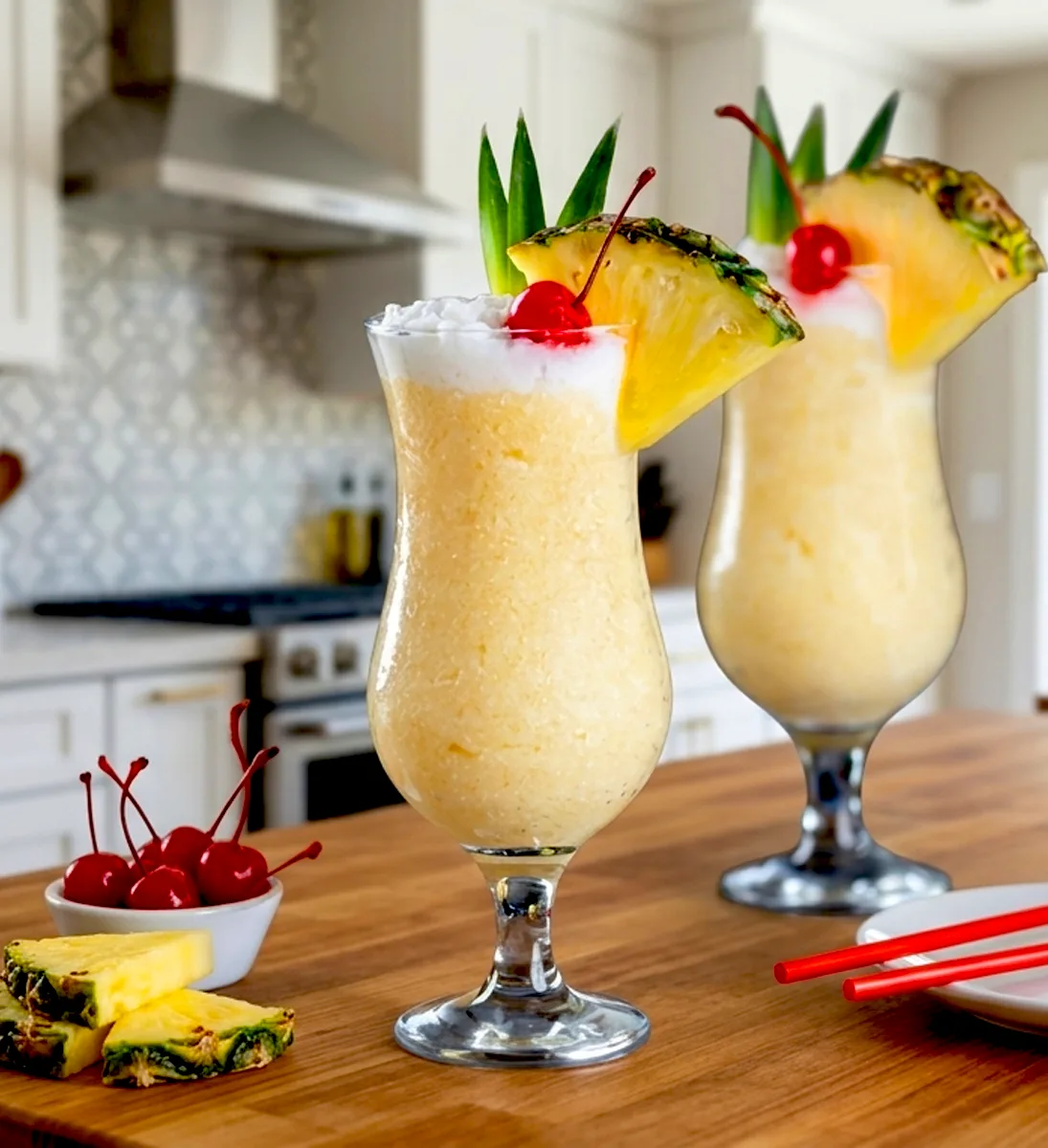
Traditional Pina Colada Recipe This is not the syrup-drenched, low-calorie neon pink version you might find at an all-inclusive resort but a true classic pina colada recipe - the fresh and balanced, in other words, real hut of rum-laden tropicana created by Ramón “Monchito” Marrero for his hotel, Caribe Hilton San Juan de Puerto Rico, back in 1954. The name, in Spanish, means 'strained pineapple,' and the drink is a construction of three non-negotiable parts: White rum-real coconut cream (in contrast to coconut base, all that is underneath is fresh or high-quality products within multilayered juice). Combined with some crushed ice and blended (and how!), the mixture is then emptied into inverted hurricane or Collins glasses, garnished with a pineapple wedge and maraschino cherry, one of the world's most well-known cocktails that served as Puerto Rico's official national drink starting in 1978. The classic ratio is 3 ounces of pineapple juice to 2 oz. coconut cream, and then go for a richer quality rum! No artificial mixers. No shortcuts. The original recipe, made right.
Prep
5 mins
Cook
0 mins
Servings
Makes 1 cocktail
Difficulty
Easy
Traditional Pina Colada Recipe
A plaque on the wall of the Caribe Hilton hotel in San Juan, Puerto Rico, and another dining spot named Barrachina Restaurant in Old San Juan both lay claim to being the birthplace of the piña colada. One of the most enjoyable arguments in cocktail history is who invented it first. Nobody argues Puerto Rico has given the world the coconut colada, and in 1978 it became automatically official when the government of Puerto Rico established piña as a national drink.
The most common origin story is that of Ramón 'Monchito' Marrero, the head bartender behind San Juan's Caribe Hilton, who spent three months in 1954 tinkering with local ingredients until he found a winning combination. An additional key to unlocking the cocktail scene was Coco López - a sweetened coconut cream concocted in 1959 by Professor Don Ramón López Irizarry at the University of Puerto Rico, who had been given a brief that would lead him on his mission for an efficient method of extracting and stabilizing the thick, rich cream from coconut flesh. If it weren't for Coco López, you may never have heard of a piña colada.
There are three ingredients in the classic pina colada recipe and one method. The classic piña colada recipe includes three ingredients and one method: Fresh pineapple juice (3 parts) adds tropical sweetness and bright acidity. 2 ounces of rich-bodied and tropical-flavored coconut cream. For spirit and heat: 1 part White Puerto Rican rum (technically also dry) One shaken with crushed ice until smooth and served in a tall glass garnished with either a wedge of fresh pineapple or a maraschino cherry - the drink for which this song was written; the drink that conquered every poolside menu on earth; and one of those rare blended cocktails that, if made correctly, tastes unlike anything else on planet Earth.
Variations
- Virgin Pina Colada (Non-Alcoholic): Just replace the rum with nothing and blend coconut cream & pineapple juice with more crushed ice. The outcome is a rich, sweet tropical smoothie completely free from alcohol. Instead of the bite of rum, you replace it with a squeeze of fresh lime juice to test for brightness and complexity. Garnish identically.
- Pina Colada on the Rocks: Pina Colada on the Rocks Put large cubes of ice in a tall glass, add the rum, coconut cream, and pineapple juice, and stir for 30 seconds or until mixed well and cooled. However, this version is more rough in texture and frothiness than the blended classic but retains a brighter rum presence that suits lovers of drier spirit-forward cocktails.
- Coconut Milk Pina Colada: Substitute full-fat canned coconut milk for the sweetened coconut cream and add 1 tablespoon of simple syrup or honey to make up for lost sweetness. This produces a much more refreshing, less creamy drink with an intensified pineapple taste and fewer calories - roughly 180 kcal per serving.
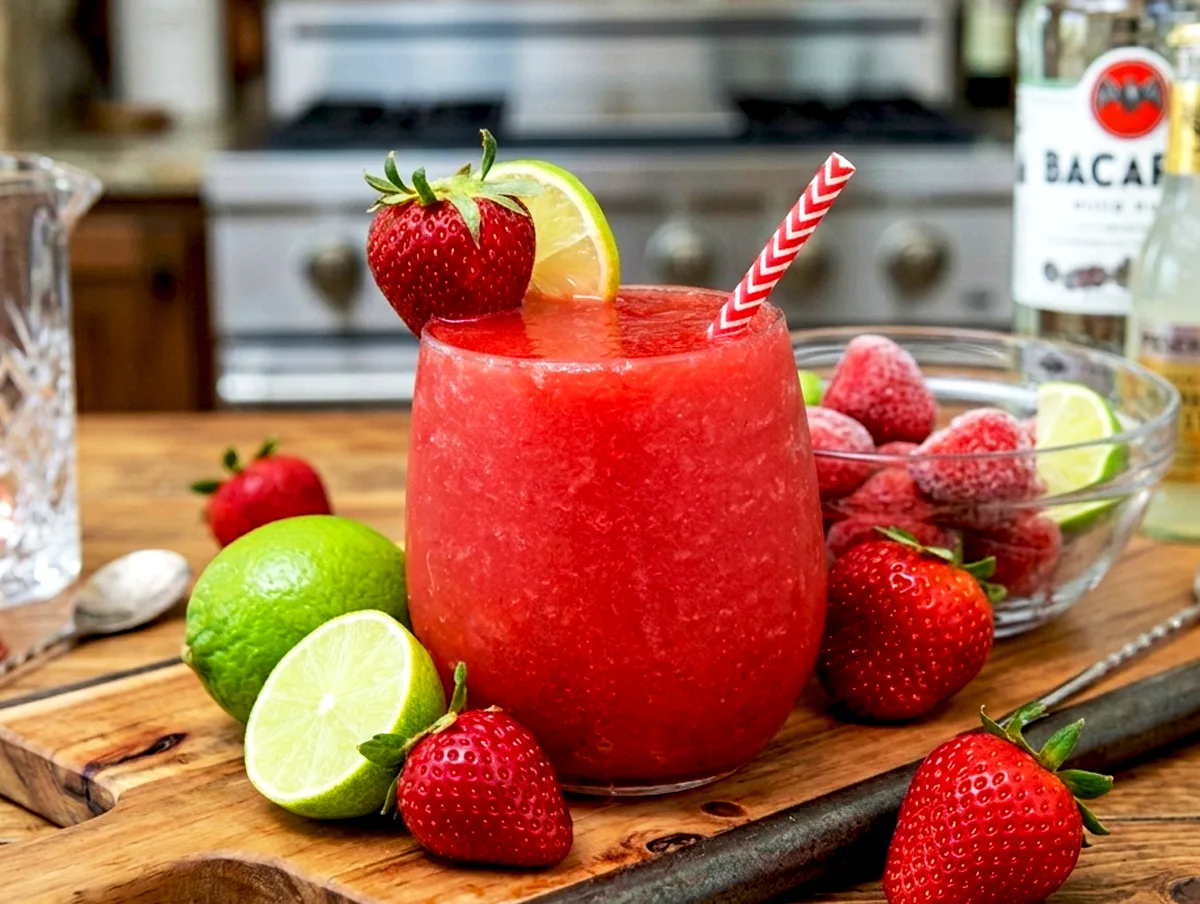
- Frozen Strawberry Pina Colada: Add 6 to 8 large frozen strawberries into the blender with all of your regular ingredients. The two-tone effect with pink layers from strawberries is nice if blended separately and then poured over the white pina colada. Use a large hurricane glass for the best visual results.
- Pitcher Pina Colada: Blend in batches, using an inverted cup to hold the lid down on the blender: 480 ml (2 cups) white rum, 320 ml coconut cream, and pineapple juice at a ratio of around three parts mixed liquids against four-five times that amount in crushed ice. Pour immediately into chilled glasses, or cover the jug and refrigerate for up to 1 hour (blend again on high speed for 10 seconds before serving).
How to Make Traditional Pina Colada Recipe (Step-by-Step)
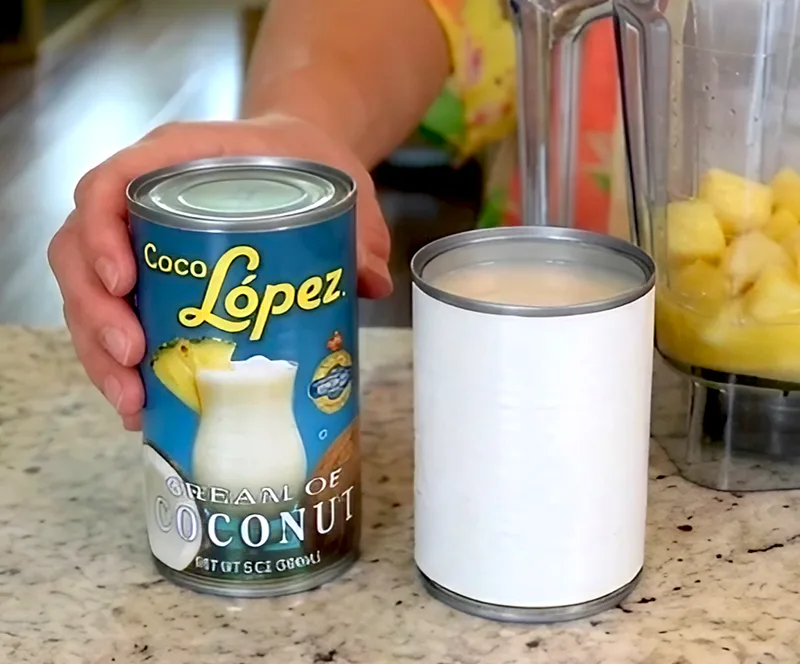
Use coconut cream, not coconut milk - the difference is everything
Using coconut milk instead of cream is the single biggest issue with homemade pina colada. Instead, we use coconut milk - thin, watery and low-fat; it gives you a pale (and even more pallid) concoction with absolutely no flavor whatsoever. Just thick, sweet and coconutty – the stuff that lends body, sweetness and a tropical note to your classic piña colada. The real choice is coconut milk like Coco López or Goya Coconut Cream; these are preserved, canned goods for the purpose of preparing cocktails. Do not replace with the firm cream skimmed from the top of a can of coconut milk - it is unsweetened and gives you an entirely different result.
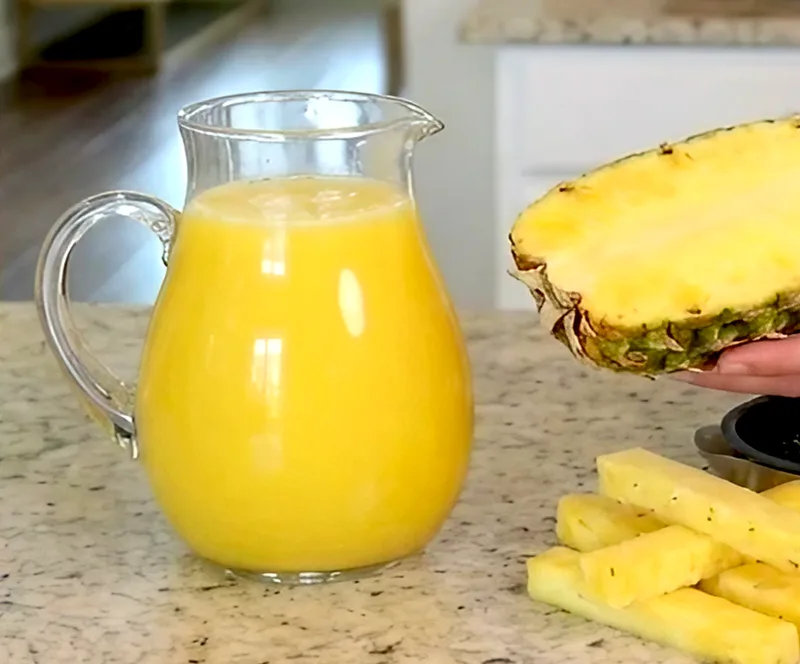
Fresh pineapple juice vs canned - and why fresh wins
Fresh pineapple juice has a bright, nuanced acidity and floral sweetness that canned - and often concentrated - juice simply can't match. For making pineapple juice at home, blend pieces of fresh ripe pineapple (minus the core) and strain through a fine-mesh sieve or cheesecloth, pressing on the pulp to extract all juice. A medium pineapple makes about 400 ml (1.5 cups) of juice. If you go for canned, 100% pure pineapple juice with no sugar added, the coconut cream provides plenty of sweetness itself.
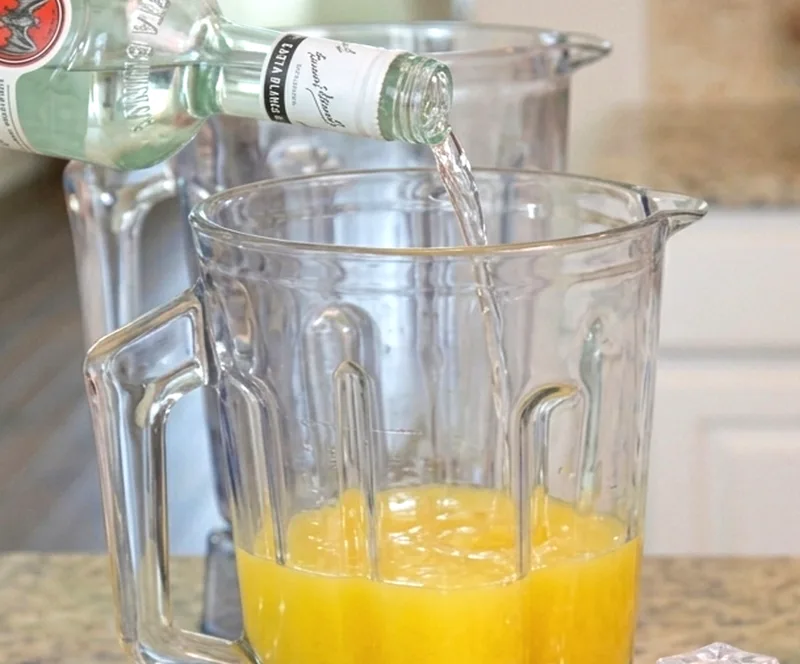
Choose the right rum - white Puerto Rican rum is non-negotiable
In the traditional piña colada, white rum is used - no dark, no spiced and definitely not gold; just plain old white. Because white rum has a bright, neutral character that provides alcohol warmth and slight sweetness but lacks the mad color or competing flavor profile to muddy up your pineapple and coconut. A white rum from Puerto Rico is the most legit alternative: Bacardí (once invented in Cuba, now manufactured on 'the Island'), Don Q Cristal or Cruzan. Produced with indigenous sugarcane in the Caribbean for generations and quintessentially what that original recipe was based on. An upgrade known as the 'Dark and Stormy float' technique involves a splash of dark rum aged, dropped on top - poured over an inverted spoon.
Blend to thick perfection - then stop
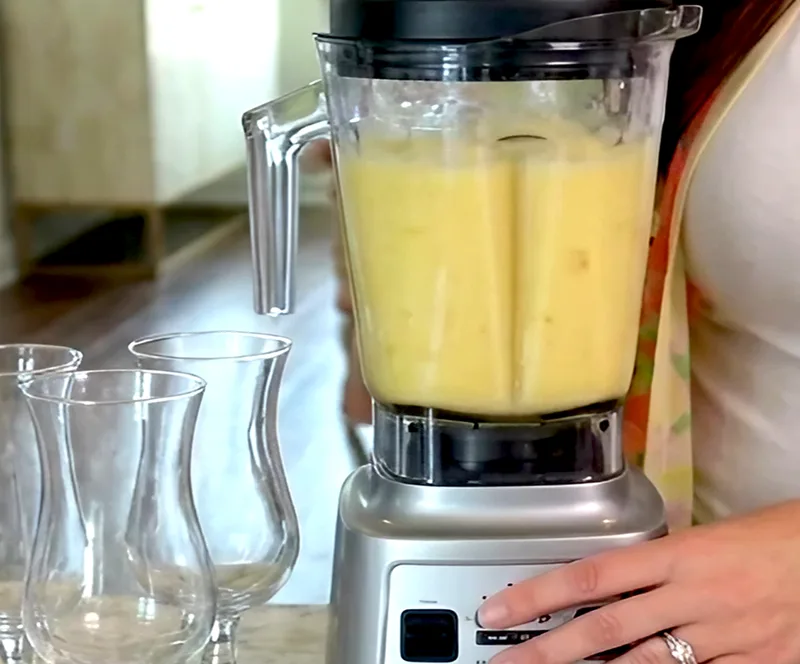
The heart of the frozen piña colada (at least, the classic version) is in a blender, and it takes restraint. Process at high speed for 20 to 30 seconds until the mixture is completely smooth and thick - it should resemble soft-serve ice cream or a very thick smoothie, not milk bars or slush. Not blending enough leaves chunks of ice; too much melts it down completely, resulting in a runny, weak beverage. How to test: Tip the blender - it should move slow and hold a small peak, not just freely flow. Pour straight away - the ice will continue melting in the warm jug of your blender, each delay making for a watery drink.
★★★★★ 5.0 from 1 vote
Traditional Pina Colada Recipe
Save this recipe, share it with friends, or browse more Drinks ideas below.


Equipment
- Blender (high-powered recommended for the smoothest result)
- Hurricane glass, Collins glass, or large stemmed glass (at least 400ml capacity)
- Measuring jigger or measuring cups
- Long bar spoon
- Ice crusher or zip-lock bag and rolling pin (if crushed ice is unavailable)
- Cocktail skewer or toothpick (for garnish)
Save this recipe!
Get this sent to your inbox, plus get new recipes from us every week.
Ingredients
Instructions
- Chill your glass first - put a hurricane or Collins glass in the freezer for 5 to 10 minutes (or stuff it with crushed ice while you mix and toss the ice just before pouring). The frozen glass keeps the pina colada cold for longer and reduces ice dilution!
- Arrange the following three liquid foods in order of goodness-pineapple juice (90 ml), coconut cream (60 ml), and white rum (45 ml)-directly into a blender. Coconut cream should be added last—it's thick and sticks to the measuring jigger, so rinse it with some of that already-measured pineapple juice (for your mouthwatering imagination). Buffer for an extra splash.
- Into the blender put your crushed ice. To achieve the thick, silky-smooth, and scoopable traditional frozen piña colada texture (as opposed to watery), use around 1 level cup of crushed ice / about 150g. If you only have ice cubes, crush them beforehand (pulsing in the blender, i.e., smashing with a rolling pin or heavy object after putting it in a zip-lock bag).
- Blend on high for 20-30 seconds, or until no chunks of ice are visible and the mixture is entirely blended into a thick, creamy consistency. Do not overblend, this melts the ice and creates a thin, watery mix. Or for optimal results, whip the mixture until smooth and only stop blending once it retains its shape when tilted in a blender.
- Immediately pour into a chilled glass. A traditional piña colada is not served on the rocks—that thick, viscous mouthfeel of chaotically blended ingredients makes up much of its appeal. Pour very gently in order to keep foam from sloshing over the sides and instead sit atop neatly.
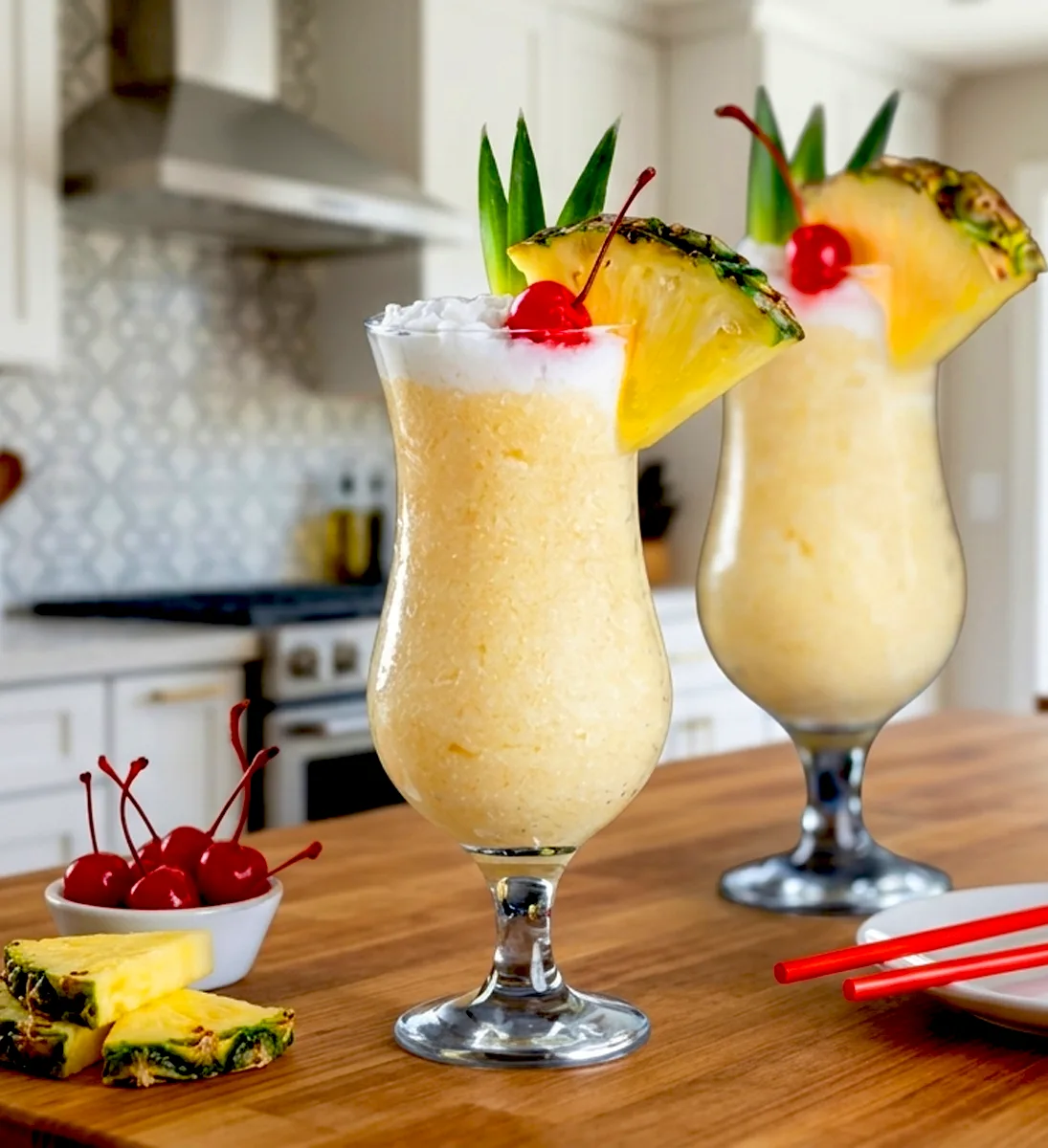
- Garnish with a wedge of fresh pineapple that you have cut to perch atop the rim of your glass and a maraschino cherry sitting on top or skewered alongside each serving, a paper cocktail umbrella is optional if you're really trying to go all out on palm tree presentation. Pour right away into a wide straw. The thickness of this drink makes it less than fun to sip out through one that is too narrow!
Frequently Asked Questions
What is the traditional pina colada recipe?
The traditional pina colada recipe consists of three ingredients: white rum, sweetened coconut cream (such as Coco López), and pineapple juice, blended with crushed ice until smooth and served in a tall glass garnished with a pineapple wedge and maraschino cherry. The authentic ratio is approximately 3 parts pineapple juice to 2 parts coconut cream to 1.5 parts white rum.
What is the difference between coconut cream and coconut milk in a pina colada?
Coconut cream for cocktails (such as Coco López or Goya) is a sweetened, thick, shelf-stable product specifically designed for mixed drinks - it is rich, creamy, and intensely sweet. Regular coconut milk is thin, watery, unsweetened, and will produce a pale, flat, watery pina colada. These are entirely different products. The traditional pina colada recipe requires sweetened coconut cream. If you use coconut milk by mistake, the result will not taste like a pina colada regardless of how good your other ingredients are.
Can I make a traditional pina colada without a blender?
Yes, the on-the-rocks version. Fill a tall glass generously with large ice cubes, pour in the white rum, coconut cream, and pineapple juice in the traditional ratio, and stir vigorously with a long spoon for 30 to 45 seconds until thoroughly chilled and combined. This version is less smooth and frothy than the blended original but has a more defined rum character and a cleaner finish. It is sometimes called a 'Pina Colada on the Rocks' and is worth making when a blender is unavailable.
Who invented the pina colada?
The most widely accepted origin credits Ramón 'Monchito' Marrero, head bartender at the Caribe Hilton hotel in San Juan, Puerto Rico, who created the drink in 1954 after three months of experimentation with local ingredients including the newly invented Coco López coconut cream. A competing claim comes from Ramón Portas Mingot, who worked at the Barrachina Restaurant in Old San Juan - both establishments display plaques claiming the cocktail's birthplace. Puerto Rico formally declared the pina colada its national drink in 1978.
How do I make a virgin (non-alcoholic) pina colada?
Remove the rum entirely and blend the coconut cream and pineapple juice with the same quantity of crushed ice. The result is a rich, sweet tropical slush that most people find just as satisfying as the alcoholic version. To add the complexity that rum normally provides, add a squeeze of fresh lime juice (about 1 tablespoon) and a tiny pinch of sea salt - both bring brightness and depth that prevent the drink from tasting flat. Garnish and serve identically to the traditional version.
How many calories are in a traditional pina colada?
A traditional pina colada made with the classic ratio (45ml rum, 60ml coconut cream, 90ml pineapple juice) contains approximately 245 to 260 calories per cocktail. The majority of the calories come from the sweetened coconut cream (which is high in sugar and saturated fat) and the rum. The virgin version without rum is approximately 160 to 180 calories. Using coconut milk instead of coconut cream and reducing the juice quantity can bring this closer to 180 calories, though the flavor and texture change significantly.
Notes
Coco López - the ingredient that made the pina colada possible
Coco López Cream of Coconut is the real-deal brand choice for a classic pina colada; it's also the ingredient that literally made possible this invention. A University of Puerto Rico professor in the early 1950s devised a way to mix coconut cream with sugar syrup and produce a homogenized and non-separating, pourable sweetened coconut. With the advent of Coco López, bartenders quickly saw possibilities and within a few years created an icon: the pina colada. Still today, the brand is made in Puerto Rico and found canned on shelves dedicated to cocktail mixers at most grocers. An easy-to-find and just as essential coconut cream substitute for everyday use is the Goya Coconut Cream. These products, as the cream can separate inside of a can, should be shaken well before opening.
Serving ideas and food pairings
The traditional pina colada is a pre-dinner or afternoon drink rather than a meal accompaniment - its sweetness and richness are best enjoyed on their own or alongside light, salty snacks. Serve with plantain chips and a fresh mango salsa, coconut shrimp, grilled pineapple skewers, or a ceviche for a full Caribbean appetiser spread. For a themed spread, pair with Puerto Rican pernil (slow-roasted pork shoulder), arroz con gandules (rice with pigeon peas), and tostones (fried green plantains). The sweetness of the pina colada is a perfect foil for salty, spicy Caribbean food.
Nutrition
Calories: 250 kcal | Carbohydrates: 30 g | Protein: 0.6 g | Fat: 2.5 g | Saturated Fat: 2.2 g | Sugar: 28 g | Fibre: 0.4 g | Sodium: 8 mg | ABV: approx. 10–13%
Nutrition information is automatically calculated and should only be used as an approximation.
Like this? Leave a comment below!
Free Recipe Book
Download my Healthy Food Recipe Book, a collection of nourishing, from-scratch recipes for everyday cooking. Practical meals and snacks you can make at home.
Get the recipe book