By Emily Dawson, Food Blogger, Recipe Developer, Photographer
20+ recipes developed and tested in her home kitchen before publishing on British Kitchen Hub.
Reviewed against our editorial standards.
Elderflower Cordial Without Citric Acid
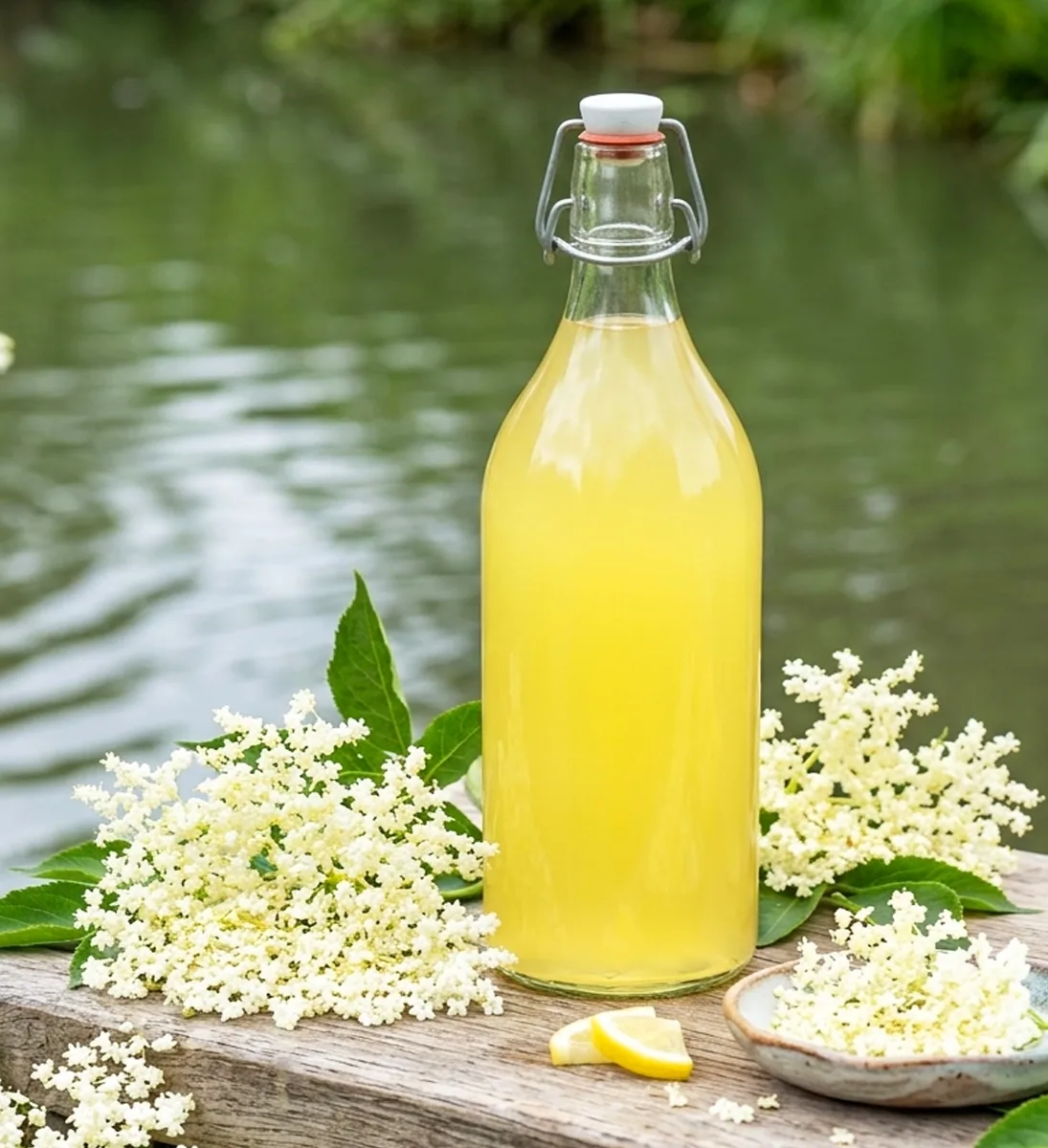
Elderflower Cordial Without Citric Acid is all the delicate floral flavor of classic elderflower cordial made without the use of citric acid at all. Instead, you use fresh lemon juice to naturally preserve and sharpen - they come in at four ingredients only from the hedgerow or supermarket. Developed for a British kitchen in elderflower season (late May to mid-June), but dried flowers can be used 365 days a year. Rinse 1:6 in still or sparkling water or as a mixer with prosecco, gin or vodka.
Prep
15 mins
Cook
10 mins
Servings
Makes approx. 1.5 litres
Difficulty
Easy
Elderflower Cordial Without Citric Acid
Elderflower Cordial Without Citric Acid is all the delicate floral flavor of classic elderflower cordial made without the use of citric acid at all. Lemon juice comes in as the natural preservative and sharpener - meaning only four hedgerow or supermarket ingredients are required.
Many homemade cordials use citric acid to prolong shelf life, but it can be difficult to find in your local grocery stores (and some cooks simply prefer not to add any additives). Good news: fresh-squeezed lemon juice serves the same function. This brightens it, cuts through the sweetness of the sugar syrup, and gives it a natural acidity that should help keep your cordial in good shape in the refrigerator for up to six weeks.
How to Make Elderflower Cordial Without Citric Acid (Step-by-Step)
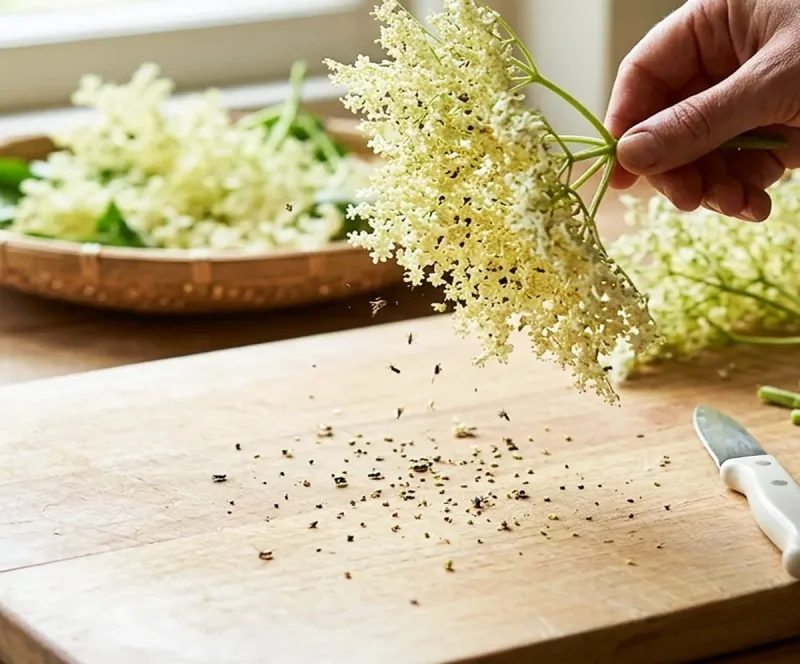
Prepare the elderflowers
Shake each flower head to remove insects but do not rinse, as this washes off the fragrant pollen needed for the flavour of the cordial. Remove thick green stalks.
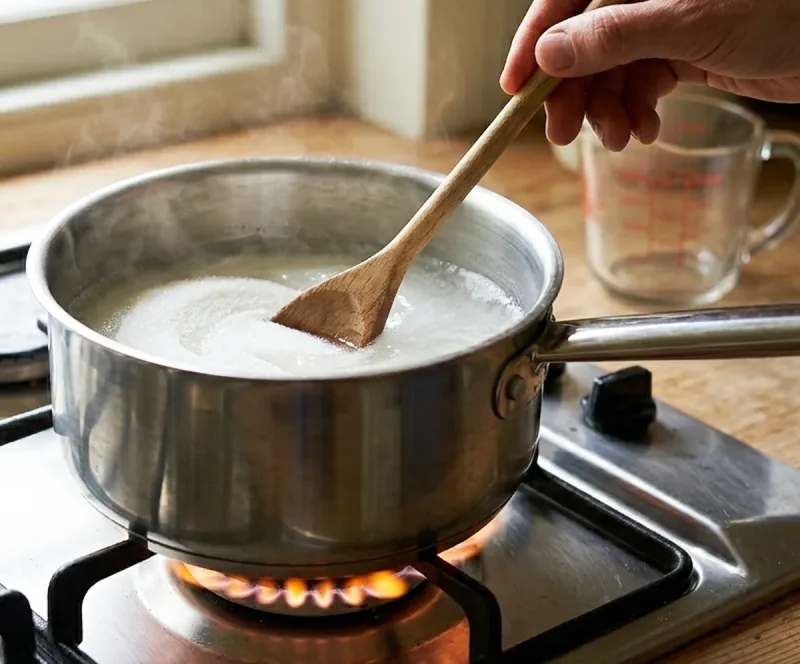
Make the sugar syrup
Dissolve 800 g sugar in a litre of boiling water, stirring until clear. Remove from the heat and cool for 5 minutes before adding the flowers.
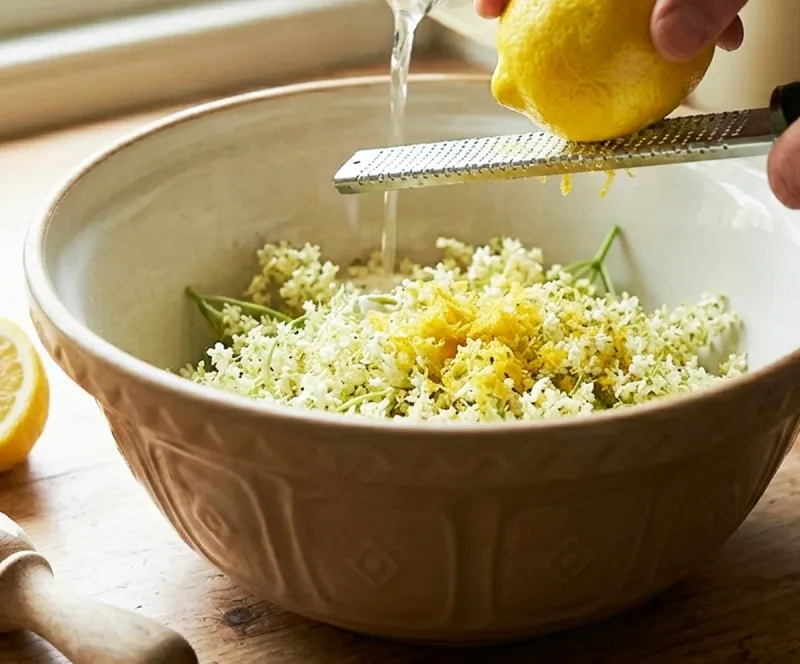
Add lemon and flowers
Mix in the elderflower heads, lemon zest and freshly squeezed lemon juice. Cover and let sit for 24-48 hours to steep at room temperature.
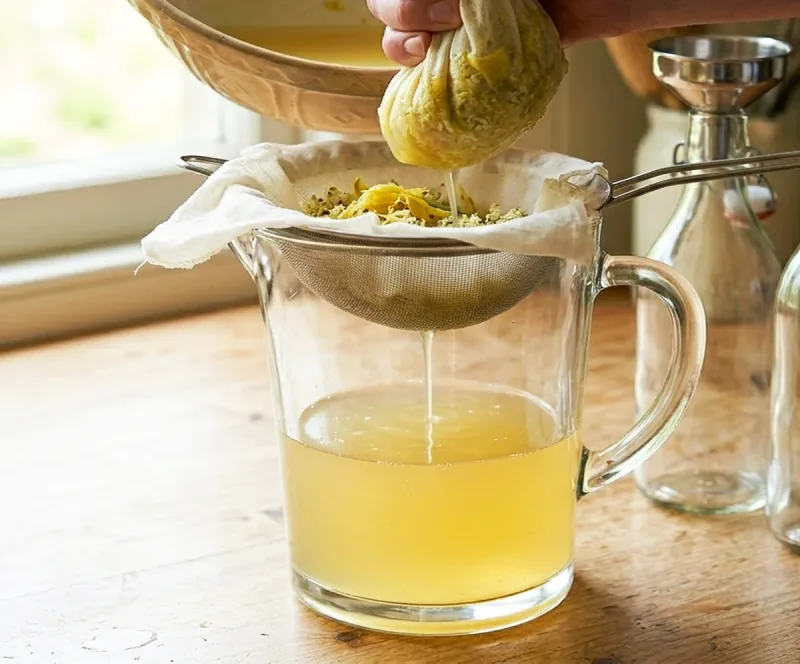
Strain and bottle
Pour the mixture through a cloth-lined sieve over a jug, pressing hard to squeeze out all the liquid. Then pour it into clean bottles using a funnel, put the caps on and keep in the fridge.

★★★★★ 5.0 from 3 votes
Elderflower Cordial Without Citric Acid
Save this recipe, share it with friends, or browse more Drinks ideas below.

Equipment
- Big pot (at least 3 litre)
- Large bowl or alternate saucepan for infusing
- Clean muslin cloth or a fine-mesh sieve lined with clean tea towel
- Large jug
- Sterilised glass bottles with caps or corks
- Funnel
- Zester or fine grater
- Juicer
Save this recipe!
Get this sent to your inbox, plus get new recipes from us every week.
Ingredients
Instructions
- Snap away all the thick green stems keeping the wee little flower branches.
- Put the water in a big pan and bring it to boil. Stir in the sugar, stirring until all of the grains dissolve. Remove the pan instantly (Do not boil after adding sugar, or syrup will thicken too much).
- Allow to cool for about 5-10 minutes and then pour into an extra large heatproof bowl. Then introduce the elderflower heads (carefully but you'll have that sweet floral flavor off those delicate petals) into your pan and zest all 3 lemons in, finely grating to be on the safe side of leaving out as much bitter white pith as possible. Stir gently to mix.
- Clean tea towel, plate or cling film to cover the bowl. Allow to steep at cool room temperature for 1 day. For a stronger, punchy flavor leave to infuse for up to 48 hours - after that the cordial will take on a mild fermented taste.
- Place two layers of clean tea towel into a large sieve or colander and sit it over a large jug. Pass your infused cordial through, gathering the edges of your cloth and squeezing out every last drop.
- Funnel the strained cordial into sterilised bottles. To sterilise: wash in hot soapy water and rinse well, then place upright in an oven at 120°C (100°C fan) for 15 minutes. Seal with lids while still warm.
- Label the bottles with the date. It will keep in the fridge for up to 6 weeks. To freeze: pour into ice cube trays, once frozen solid transfer to a freezer bag - lasts up to 6 months.
Frequently Asked Questions
How long can you keep elderflower cordial without citric acid?
Up to 6 weeks in the fridge if placed in sterilised bottles. It keeps well without citric acid thanks to the lemon juice providing natural acidity. For longer term storage, freeze in ice cube trays - lasts well for up to 6 months.
Can I use bottled lemon juice instead of fresh?
Fresh is strongly recommended. Bottled lemon juice is pasteurised and misses the oils in fresh lemon zest - it tends to yield a flat, faux-lemony cordial. The zest carries most of the bright citrus aroma which balances the elderflower.
Are dried elderflowers ok?
Yes. Replace 20 fresh heads with about 50 g of dried elderflowers. Dried flowers release their flavour faster so you can reduce infusion time to 12 hours. This means the recipe can be made throughout the year since dried elderflowers are available online at any time.
Can I reduce the sugar for a healthier recipe?
You can lower the sugar to 500-600 g, but this will reduce shelf life to around 2 weeks since sugar acts as a preservative as well as a sweetener. You could replace half the sugar with runny honey for a subtly different floral flavor.
How do you serve elderflower cordial?
Dilute 1 part cordial to 5-8 parts cold still or sparkling water over ice. It also works well in cocktails: add a splash to gin and tonic, or mix with prosecco and soda water. For non-alcoholic options, mix into elderflower lemonade or drizzle undiluted cordial over vanilla ice cream.
Notes
Picking tips
Pick firm, creamy-white heads - tight buds or those beginning to brown will have less flavour. Do not rinse the heads as this removes the aromatic pollen. Avoid picking near busy roads.
Lemon quantity
Three lemons gives noticeable citrus notes. For a gentler, more floral cordial use 2 lemons. Use 4 lemons for more brightness and longer shelf life, or add about 2 tbsp freshly squeezed lime juice as well.
Serving ideas
Elderflower cordial with soda, ice and a sprig of mint. Elderflower gin fizz: 25 ml gin, 25 ml cordial, topped with soda. In salad dressings with white wine vinegar and olive oil. Drizzled over goats cheese on toast.
Nutrition
Calories: 68 kcal | Carbohydrates: 17 g | Protein: 0 g | Fat: 0 g | Sugar: 17 g
Nutrition information is automatically calculated and should only be used as an approximation.
Like this? Leave a comment below!
Free Recipe Book
Download my Healthy Food Recipe Book, a collection of nourishing, from-scratch recipes for everyday cooking. Practical meals and snacks you can make at home.
Get the recipe book